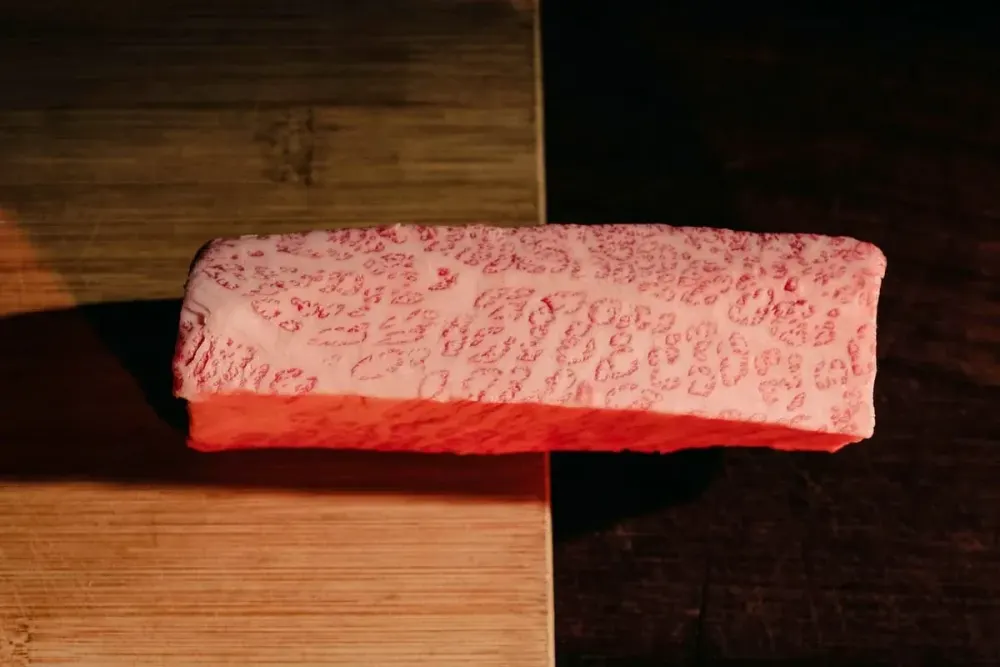
Beef tallow was the dominant high-heat cooking fat in Western kitchens until the 1970s and 1980s, when fat phobia and industrial seed oil marketing pushed it out. McDonald's fried in beef tallow until 1990. British fish and chip shops cooked in beef dripping until vegetable oil took over. Home cooks kept a tin of dripping on the counter as a matter of course.
The return to tallow is not nostalgia. It is a response to chemistry.
What Is Beef Tallow
Tallow is rendered beef fat — specifically the hard fat found around the kidneys and loins, called suet when raw and tallow when rendered. Rendering means gently heating the fat until the pure fat separates from the connective tissue, water, and impurities. The resulting fat is creamy white when solid, pale yellow when liquid, nearly flavourless, and extraordinarily stable at high temperatures.
Smoke Point and Stability
Beef tallow has a smoke point of approximately 420°F — significantly higher than butter at 300°F and comparable to refined avocado oil. For high-heat applications — deep frying, roasting potatoes, searing steaks — tallow holds its structure while seed oils break down and produce oxidation products. This is the chemical reason why tallow-fried chips taste different from vegetable oil-fried chips.
How to Render Beef Tallow at Home
- Ask your butcher for beef suet — the hard kidney fat. It is inexpensive and often free.
- Cut or mince the suet into small pieces.
- Place in a heavy pot over the lowest possible heat.
- Cook for 2 to 4 hours, stirring occasionally, until the fat has fully rendered.
- Strain through a fine-mesh sieve into glass jars.
- Store at room temperature for up to 6 months, or refrigerate for up to a year.
How to Use Tallow
- Roast potatoes — the benchmark for tallow cooking. Shatteringly crispy outside, fluffy inside.
- Deep frying — chips, fried chicken, anything that benefits from high heat and stable fat.
- Searing steaks and burgers — higher smoke point means better crust.
- Pan-searing chicken — tallow chicken thighs produce the crispiest skin achievable.
Frequently Asked Questions
Is beef tallow healthy? Tallow is primarily saturated and monounsaturated fat — the same profile as olive oil. It contains virtually no polyunsaturated fat that oxidises at cooking temperatures.
Where do you buy beef tallow? Ask your butcher for suet and render it yourself. Pre-rendered tallow from grass-fed beef producers is also available online.
What does tallow taste like? Rendered tallow has a very mild, slightly beefy flavour that disappears into most dishes. Grass-fed tallow has a cleaner, more neutral flavour than grain-fed.
All Links · Instagram @theefoodiekitchen · Facebook · · YouTube · Pinterest
Key Points on beef tallow
- 420°F smoke point — Stable at searing, deep frying, and roasting temperatures. Significantly higher than butter (350°F) and with lower oxidation risk than canola at equivalent temperatures.
- Long shelf life — Refrigerated: 12 months. Room temperature sealed: 3 months. Freezer: indefinitely. High saturated fat content makes it highly resistant to rancidity.
- Flavour profile — Grass-fed: mild, slightly beefy, faintly nutty. Grain-fed: nearly neutral. The flavour enhances beef dishes and is nearly undetectable in non-beef applications when properly rendered.
Common Misconceptions About beef tallow
Most confusion around beef tallow comes from outdated dietary messaging. The research picture has shifted substantially since the 1960s but popular messaging has not kept pace. Fat composition, processing method, and cooking temperature all affect the actual outcome in ways that blanket claims ignore.
Where does beef tallow come from?
Rendered from beef fat — primarily suet (dense fat around the kidneys and loins) or trim fat. Melted, separated from connective tissue, filtered through cheesecloth.
Is grass-fed tallow significantly different from grain-fed?
Yes — measurably higher CLA, more fat-soluble vitamins, more pronounced flavour. The difference is most noticeable in neutral applications like roasted potatoes or frying.
African, Hawaiian, Indian, Mediterranean, Asian, Exotic, Chicken, Rice, Cookies, Coffee, Spices, Plants, World Cuisine, 30-Minute Dinners and more.
View All 23 Books on Amazon →