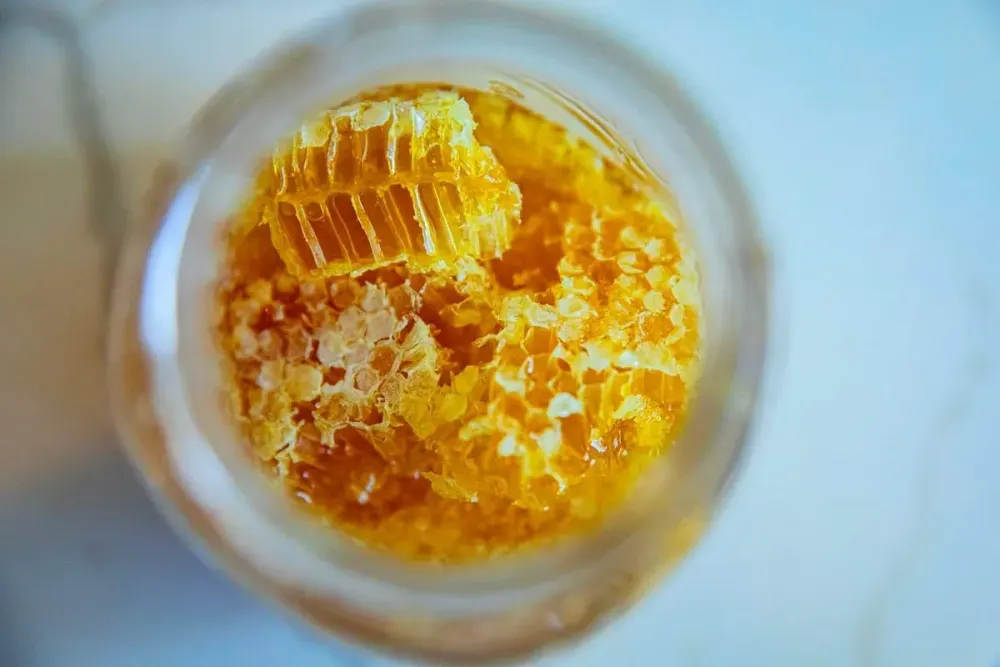
Ghee is clarified butter — butter that has been gently heated until the water evaporates and the milk solids separate and sink to the bottom. The milk solids are removed, leaving pure golden butterfat. The result is a fat with a smoke point of 485°F, a shelf life of months at room temperature, and a distinctive nutty flavour that butter cannot replicate.
Why Ghee Has a Higher Smoke Point
Butter's smoke point of around 300°F comes from its milk solid content. When butter is heated past this point, the milk solids burn and produce acrolein — the characteristic burnt smell. Ghee, with the milk solids removed, has a smoke point of 485°F, making it suitable for stir-frying, searing, deep-frying, and any high-heat application where butter would burn.
How to Make Ghee at Home
- Start with high-quality unsalted butter — grass-fed produces the best flavour
- Place in a heavy-bottomed saucepan over medium-low heat
- The butter will melt, foam, then the foam will subside as the water evaporates
- Continue cooking until the milk solids on the bottom turn golden and the ghee smells nutty
- Strain through a fine-mesh sieve or cheesecloth into a glass jar
- Store at room temperature for up to 3 months or refrigerate for up to a year
How to Use Ghee
Ghee is a 1:1 substitute for butter in every application. In Indian cooking, ghee is the base for tadka — whole spices bloomed in hot fat before being added to a dish. In the MAHA kitchen, ghee replaces vegetable oil in every high-heat application: stir-fries, sautéed vegetables, pan-seared proteins, roasted anything.
For baking, ghee produces a slightly crispier texture than butter because the water content is lower. Brown butter shortbread, ghee-based pie crust, and ghee flatbreads all work excellently.
Savor India — 20 Ghee-Based Indian Recipes
Twenty authentic Indian recipes built on ghee. Dal, biryani, butter chicken, khichdi and more.
Get on Amazon →Frequently Asked Questions
Is ghee dairy-free? Ghee contains no lactose and no casein — both are removed with the milk solids. Most people with lactose intolerance tolerate ghee without issue.
Can you use ghee for baking? Yes. Ghee is an excellent baking fat producing slightly crispier results than butter.
Does ghee need to be refrigerated? No. Properly made ghee is shelf-stable at room temperature for up to 3 months. Refrigerate for longer storage.
All Links · Instagram @theefoodiekitchen · Facebook · · YouTube · Pinterest
Key Points on ghee
- Smoke point of 485°F — Higher than almost any other cooking fat. Stable at temperatures where butter burns and lard degrades. Correct for Indian tarka, high-heat searing, and oven roasting.
- Lactose and casein free — The milk solids are removed during clarification. Most people who are lactose intolerant tolerate ghee without issue.
- Shelf stable — Properly made ghee in a sealed glass jar at room temperature: 3-6 months. Refrigerated: 12 months. No refrigeration required if stored away from light and moisture.
Common Misconceptions About ghee
Most confusion around ghee comes from outdated dietary messaging. The research picture has shifted substantially since the 1960s but popular messaging has not kept pace. Fat composition, processing method, and cooking temperature all affect the actual outcome in ways that blanket claims ignore.
What is the difference between ghee and clarified butter?
Functionally identical. The difference is cooking time — ghee is cooked slightly longer until the milk solids brown before straining, producing a nuttier, more complex flavour.
Can I substitute ghee for butter 1:1?
Yes in almost all cooking. In baking, ghee can replace butter 1:1 but has higher fat content — reduce by about 15-20% in recipes where butter's water content matters for rise.
African, Hawaiian, Indian, Mediterranean, Asian, Exotic, Chicken, Rice, Cookies, Coffee, Spices, Plants, World Cuisine, 30-Minute Dinners and more.
View All 23 Books on Amazon →