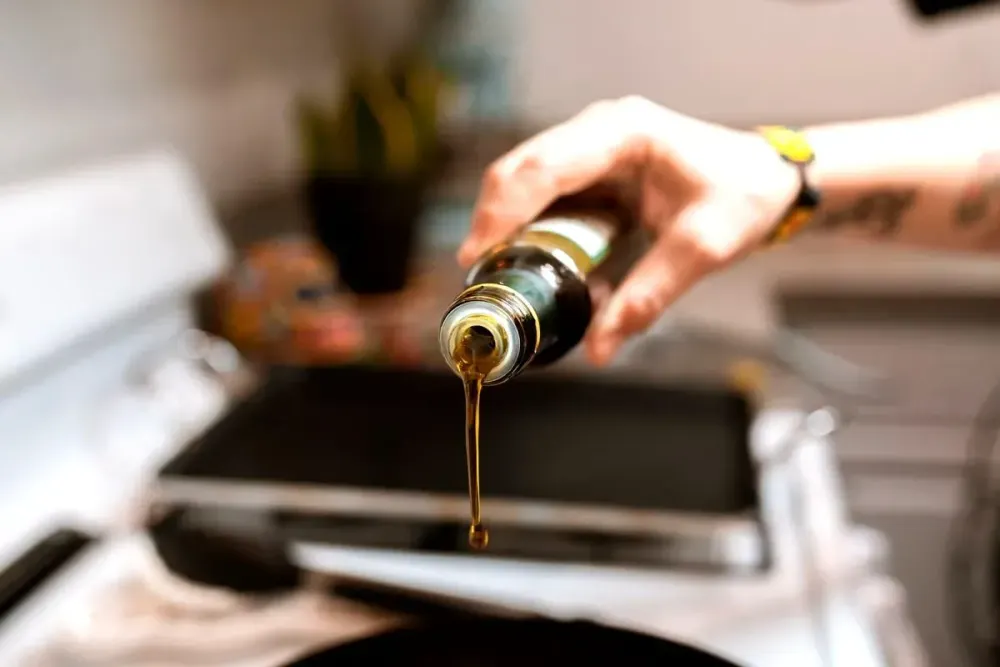
Seed oils — vegetable oil, canola oil, sunflower oil, soybean oil, corn oil, safflower oil — are the dominant cooking fats of the modern diet. They replaced butter, lard, tallow, and ghee over the course of the 20th century, driven by a combination of industrial agriculture, flawed nutritional science, and aggressive marketing from companies that needed to find uses for the byproducts of cotton, soybean, and rapeseed processing.
What Makes Seed Oils Different
Saturated fats — butter, tallow, lard, coconut oil — have no double bonds in their carbon chain. They are chemically stable at cooking temperatures. They do not oxidise easily. They do not produce toxic breakdown products when heated. They have been used for cooking since humans first discovered fire.
Polyunsaturated fatty acids — the primary component of seed oils — have multiple double bonds. These double bonds are chemically reactive. At cooking temperatures, polyunsaturated fats oxidise and produce compounds called aldehydes, including 4-hydroxynonenal (4-HNE) and malondialdehyde (MDA). Both are documented cytotoxins that form protein adducts with cellular structures and disrupt mitochondrial function.
How Seed Oils Are Extracted
Canola oil, soybean oil, sunflower oil, and most other seed oils are produced through an industrial process that has nothing in common with how butter, ghee, tallow, lard, or olive oil are made. The seeds are crushed and washed with hexane — a petroleum solvent — to extract the maximum amount of oil. The oil is then degummed, refined, bleached, and deodorised at high temperatures. The deodorisation step is necessary because the oil is already partially oxidised and smells rancid. It removes the smell but not the oxidation products.
What to Use Instead
- Butter — for sauces, baking, finishing, low-heat cooking
- Ghee — for high-heat cooking, curries, anything needing a high smoke point
- Tallow — for roasting, frying, searing at the highest temperatures
- Lard — for pastry, tortillas, Mexican and Southern cooking
- Coconut oil — for Southeast Asian dishes, medium-heat cooking
- Extra virgin olive oil — for finishing, dressings, low-heat Mediterranean cooking
Frequently Asked Questions
Are all oils bad? No. Extra virgin olive oil, coconut oil, and avocado oil are not seed oils. They are pressed from the whole fruit or flesh, not solvent-extracted from seeds. They are lower in linoleic acid and behave differently at heat.
Is vegetable oil really that different from butter? Yes — structurally. Vegetable oil is primarily polyunsaturated fat that oxidises at cooking temperatures. Butter is primarily saturated and monounsaturated fat that is stable at heat.
What about heart disease? The original hypothesis that saturated fat causes heart disease has been extensively revisited. Multiple large meta-analyses have found that saturated fat consumption does not independently predict cardiovascular events when total dietary context is properly controlled.
All Links · Instagram @theefoodiekitchen · Facebook · · YouTube · Pinterest
African, Hawaiian, Indian, Mediterranean, Asian, Exotic, Chicken, Rice, Cookies, Coffee, Spices, Plants, World Cuisine, 30-Minute Dinners and more.
View All 23 Books on Amazon →