As an Amazon Associate I earn from qualifying purchases. Affiliate disclosure.
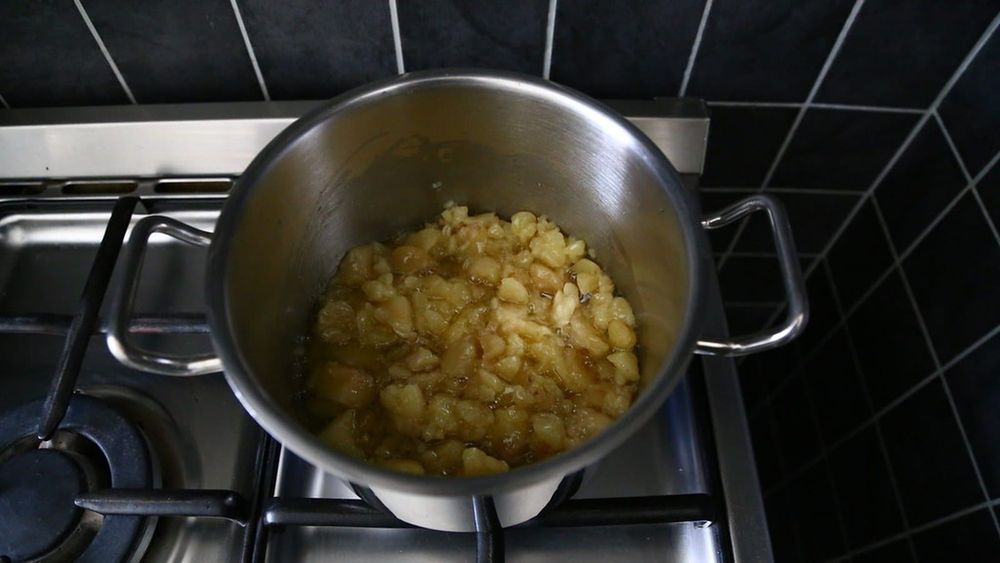
Rendering tallow is a 4-hour project that produces several months of the best cooking fat available. You start with raw beef fat — either suet (the hard fat from around the kidneys and loins) or regular trim fat from the butcher — and melt it slowly at low temperature until the fat liquefies and the tissue solids, called cracklings, separate out. What remains after straining is pure, shelf-stable beef tallow with a smoke point of 400°F, a neutral flavour, and a 12-18 month shelf life at room temperature.
The rendered tallow you make at home is chemically identical to what Fatworks sells commercially. The difference is cost — rendering at home from butcher fat typically versus for commercial tallow — and control over the fat source.
What Fat to Source
| Type | Source | Yield / Quality |
|---|---|---|
| Kidney suet | Around kidneys and loins | Highest quality, whitest tallow, most neutral flavour. Request by name from butcher. |
| Trim fat | Around other cuts | More available, slightly more flavour, slightly less white. Still excellent. |
| Bone broth fat | Fat cap skimmed from broth | Smaller quantities, good for immediate use but less shelf stable. |
Ask your butcher for grass-fed beef fat. Most will have trim fat readily available at low cost or free. Suet is less common — call ahead.
Buying pre-made tallow is a reasonable alternative if you do not want to render your own. Fatworks and SCP Wagyu both produce excellent commercial tallow. The shop page on this site links to both.
This page contains affiliate links. As an Amazon Associate I earn from qualifying purchases. Affiliate disclosure.

The Wet Rendering Method
Wet rendering uses water to help separate the fat from impurities during the initial melt. It produces a very clean, white tallow and is the method recommended for beginners. The water evaporates during cooking and does not affect the final product.
The Dry Rendering Method
Dry rendering uses no water. The fat is melted directly on low heat or in a low oven (120°C / 250°F). It is slightly faster than wet rendering and produces a tallow with a very slightly more pronounced beef flavour, which many cooks prefer. The cracklings produced by dry rendering are edible and are excellent salted and eaten warm.
- Cut fat into small pieces. No water added.
- Place in a cast iron Dutch oven or oven-safe pot.
- Set oven to 120°C (250°F). Place pot uncovered in oven.
- Check every hour. After 3-4 hours the fat will be fully liquid and the cracklings will be lightly browned.
- Strain through cheesecloth into glass jars. Save the cracklings — season with salt and eat warm.
- Cool and store as above.
Troubleshooting
How much tallow does 1kg of fat produce?
Approximately 600-700ml of rendered tallow per kilogram of raw fat. Suet produces slightly higher yields than trim fat.
Does grass-fed vs grain-fed matter?
Yes. Grass-fed beef fat produces tallow with higher omega-3 content, more conjugated linoleic acid (CLA), and more beta-carotene (which makes it yellow). Grain-fed fat produces white tallow with a more neutral profile. Both are far superior to seed oils.
Can I render other animal fats the same way?
Yes. The same method works for lard (pork fat), duck fat, and lamb fat. The temperatures and timing are similar. Lard renders slightly faster than beef fat.
How do I know when rendering is complete?
The cracklings should be lightly browned and should sink to the bottom of the pot. The liquid fat should be golden and clear, with no cloudiness or foam. All visible water should have evaporated.
- Beef tallow nutritional profile — fatty acid composition — USDA FoodData Central
- Conjugated linoleic acid content in grass-fed vs grain-fed beef — PubMed / Nutrition Journal, 2010
- University of Nebraska–Lincoln Extension — cooking fats and smoke points (G2369)
Follow Savannah: @theefoodiekitchen · All Links
Part of: Traditional Cooking Fats Guide — Tallow, Ghee, Lard, Butter
African, Hawaiian, Indian, Mediterranean, Asian, Exotic, Chicken, Rice, Cookies, Coffee, Spices, Plants, World Cuisine, 30-Minute Dinners and more.
View All Books on Amazon →