As an Amazon Associate I earn from qualifying purchases. Affiliate disclosure.
The smoke point of a cooking fat is the temperature at which it begins to break down and produce visible smoke. At and above this temperature, the fat starts to oxidise, producing compounds called aldehydes and acrolein that give food a bitter flavour and, at higher temperatures, may be harmful when inhaled or consumed. Choosing the right fat for the right cooking method is one of the most practical things you can know about seed oil free cooking.
The guide below covers every fat used across the recipes on this site, with smoke points, ideal cooking methods, and what to buy.
Ancestral Fat Smoke Points — At a Glance
| Fat | Smoke Point | Best For | Flavour |
|---|---|---|---|
| Avocado oil (refined) | 520°F / 271°C | Deep frying, high-heat stir fry, searing | Neutral |
| Ghee (clarified butter) | 485°F / 252°C | Indian cooking, high-heat sauté, finishing | Buttery, nutty |
| Coconut oil (refined) | 450°F / 232°C | Asian stir-fries, baking, medium-high heat | Neutral |
| Beef tallow | 400°F / 204°C | Deep frying, roasting, searing, smash burgers | Mild beef |
| Lard (refined) | 370°F / 188°C | Baking, frying, tamales, pastry | Very mild pork |
| Coconut oil (unrefined) | 350°F / 177°C | Baking, light sautéing | Strong coconut |
| Extra virgin olive oil | 375–405°F / 190–207°C | Dressings, Mediterranean cooking, drizzling | Fruity, grassy |
| Butter (whole, unsalted) | 302°F / 150°C | Sauces, low-heat cooking, baking, finishing | Rich, creamy |
A note on smoke point and stability: a high smoke point does not always mean a fat is more stable. Refined seed oils have artificially elevated smoke points due to the deodorisation process — but they are chemically unstable and produce harmful oxidation products even below their smoke points. The ancestral fats above are both stable and have high smoke points.
Which Fat to Use and When
Deep frying (375-400°F / 190-204°C)
Beef tallow is the gold standard for deep frying. It was what McDonald's used until 1990 — the reason the fries tasted better. It produces a crisper exterior than seed oils, imparts a mild flavour that enhances rather than competes with the food, and can be strained and reused 3-4 times. Ghee is the alternative for a slightly more neutral result. Refined avocado oil is the most neutral option if you want no flavour addition at all.
This page contains affiliate links. As an Amazon Associate I earn from qualifying purchases. Affiliate disclosure.

Searing and smash burgers (400°F+ / 204°C+)
Beef tallow reaches the temperatures needed for a proper sear on a smash burger or a steak. Add tallow to the pan before the meat, let it reach shimmering point, then add the protein. The fat's high smoke point means you can get the pan genuinely hot without producing harmful compounds.
Roasting (350-425°F / 177-218°C)
Beef tallow for potatoes, root vegetables, and meat. The fat coats the surface of the food and creates the Maillard reaction — the browning that produces roasted flavour. Tallow roast potatoes are categorically different from potatoes roasted in olive oil. Lard is an excellent alternative.
Indian and South Asian cooking (350-400°F / 177-204°C)
Ghee is the traditional fat for Indian cooking and has been for thousands of years. Its high smoke point handles the tempering of whole spices without burning. It adds a background richness that butter cannot achieve at high heat. All the Indian recipes on this site use ghee.
Baking (325-375°F / 163-190°C)
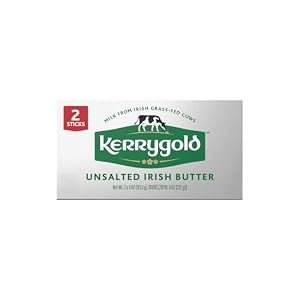
Butter and lard. For anything sweet, butter is usually the right choice — its flavour is an asset in cookies, cakes, and shortbread. For pastry and pie crust, lard produces a flakier, more tender result than butter because its fat crystals are larger and it contains almost no water. The combination of lard for the pastry and butter for the filling is the traditional method.
Dressings and no-cook applications
Extra virgin olive oil. Never heat EVOO above medium — its polyphenols and flavour compounds begin to degrade above 375°F, and the oil is too expensive and flavourful to waste on high-heat applications. Use it cold or warm.
Low-heat sauces and finishing (below 302°F / 150°C)
Whole unsalted butter. At these temperatures, butter adds richness and flavour without burning. Add it at the end of a pan sauce off the heat, swirling to emulsify. This is the technique behind French restaurant sauces — called monter au beurre.
What About the Seed Oils?
| Oil | Smoke Point | Problem |
|---|---|---|
| Canola oil | 400°F / 204°C | Chemically extracted, unstable, oxidises readily |
| Soybean oil | 450°F / 232°C | ~54% linoleic acid, most consumed oil in US |
| Sunflower oil | 440°F / 227°C | ~68% linoleic acid, produces aldehydes when heated |
| Corn oil | 450°F / 232°C | ~57% linoleic acid, byproduct of corn processing |
High smoke points on seed oils are a result of industrial deodorisation — not chemical stability. See: The Hateful Eight Seed Oils →
Can you reuse cooking fat?
Yes. Beef tallow and lard can both be reused 3-4 times if strained properly. After cooking, pour the fat through a fine-mesh strainer or cheesecloth into a clean jar while still liquid. Discard after 4 uses, or when the fat has darkened significantly or developed an off smell.
What happens if you exceed the smoke point?
Above the smoke point, the fat begins to break down and produce acrolein, aldehydes, and other oxidation products. Food cooked in overheated fat tastes bitter. At very high temperatures, the compounds produced may be harmful. The solution is to heat the fat to just below the smoke point — it should shimmer and move easily in the pan, but not smoke.
Is olive oil actually bad for cooking?
Extra virgin olive oil has a smoke point between 375-405°F depending on quality and acidity. This is sufficient for most sautéing and roasting. The concern is less about smoke point than flavour — EVOO's polyphenols and fruity notes are destroyed at high heat. Use refined avocado oil or tallow for high-heat cooking, and save the good olive oil for dressings and finishing.
- Fatty acid profiles and smoke points of cooking fats — Serious Eats
- Beef tallow fatty acid composition — USDA FoodData Central
Follow Savannah: @theefoodiekitchen · All Links
Part of: Traditional Cooking Fats Guide — Tallow, Ghee, Lard, Butter
Cooking in an air fryer? Our Seed-Oil-Free Air Fryer Guide matches each traditional fat to air fryer temperatures, from refined avocado oil and ghee at 400 °F to butter for finishing.
African, Hawaiian, Indian, Mediterranean, Asian, Exotic, Chicken, Rice, Cookies, Coffee, Spices, Plants, World Cuisine, 30-Minute Dinners and more.
View All Books on Amazon →