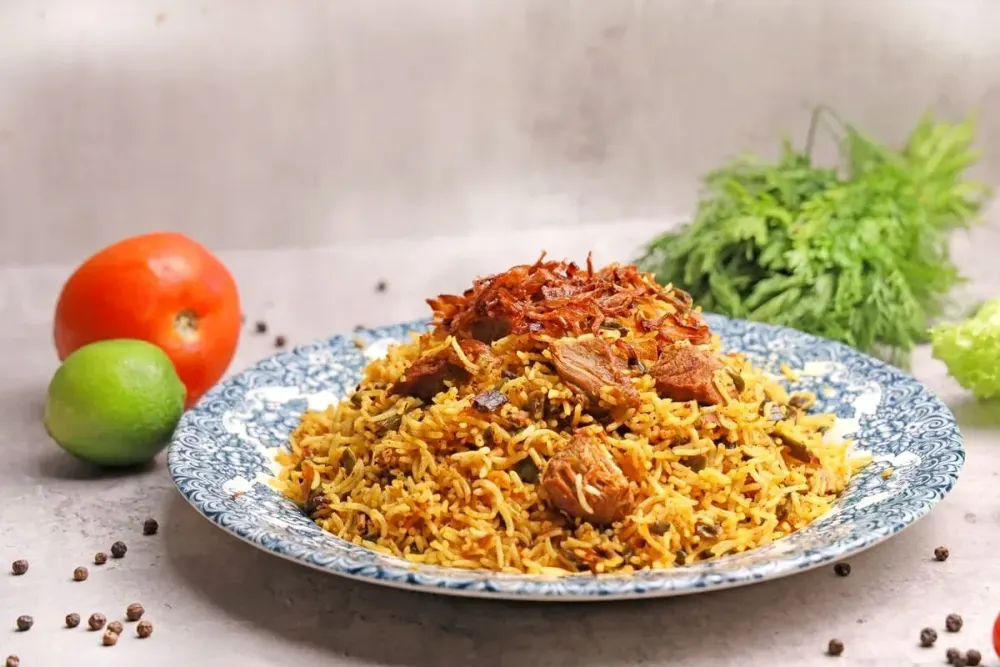
Ghee is clarified butter — butter with the water and milk solids removed, leaving pure golden butterfat. The removal of milk solids raises the smoke point to 485°F (252°C), extends shelf life to months without refrigeration, and eliminates the lactose and casein that cause butter to burn at high heat. Ghee has been the primary cooking fat of Indian cuisine for over 3,000 years and is a cornerstone fat in MAHA cooking.
How Ghee Is Made
Ghee is made by simmering butter over low heat until the water evaporates and the milk solids — the white proteins and sugars — separate from the fat, sink, and brown at the bottom of the pan. The golden liquid is then strained through cheesecloth, leaving pure clarified butterfat. The process concentrates the fat and produces trace amounts of butyrate and fat-soluble vitamins A, D, E, and K2, particularly pronounced in ghee made from grass-fed butter.
The Maillard reaction between the sugars and proteins during cooking gives ghee its characteristic nutty, caramelised aroma — distinctly richer than plain butter. Indian cooking has used this process for millennia: the Sanskrit word for ghee is ghṛta, and references to it appear in the Rigveda, one of the oldest texts in the world.
| Property | Ghee | Butter | Canola Oil |
|---|---|---|---|
| Source | Clarified grass-fed butter | Dairy cream | Rapeseed — industrial |
| Smoke point | 485°F / 252°C | 302°F / 150°C | 400°F / 204°C |
| Milk solids | Removed | Present | None |
| Lactose / casein | None | Present | None |
| Shelf life | 6-12 months room temp | 2-3 weeks refrigerated | 12+ months |
| Primary fat | Saturated + monounsaturated | Saturated + monounsaturated | Polyunsaturated omega-6 |
| Ancestral use | Yes — 3,000+ years India | Yes — global | No — 20th century industrial |
| Seed oil? | No | No | Yes |
Ghee vs Butter — When to Use Each
Use ghee when you need a high smoke point: searing meat, stir-frying, cooking eggs without burning fat, Indian dishes like dal, biryani, and butter chicken, and any recipe where the fat will spend time over 300°F. Use butter when you want the water content for texture — in pastry, beurre blanc, basting a steak at the end of cooking, or any sauce where emulsification matters. Both are seed oil free. Ghee is the more versatile fat; butter is the more flavourful one in low-heat applications.
Is Ghee Healthy?
Ghee is a saturated fat, which the 2025-2026 US Dietary Guidelines have now acknowledged is not the cardiovascular villain it was portrayed as from the 1960s onward. The research linking dietary saturated fat to heart disease has been substantially revised. Ghee from grass-fed cows contains conjugated linoleic acid (CLA), butyrate, and fat-soluble vitamins not present in industrial seed oils. It does not contain the omega-6 linoleic acid that makes seed oils biologically problematic at modern consumption levels.
The ancestral evidence is clear: populations that have used ghee as their primary cooking fat for thousands of years — particularly in India — have consumed it without the metabolic diseases associated with modern industrial fat consumption. The seed oil experiment is 60 years old. The ghee experiment is 3,000 years old.
How to Make Ghee at Home
Making ghee takes 20-30 minutes and costs less than buying it. Use Kerrygold or any high-fat grass-fed unsalted butter. Simmer over low-medium heat in a light-coloured pan — you need to see the colour change. Skim the white foam from the top. When the milk solids on the bottom turn golden-brown and the liquid above is clear and amber, remove from heat. Strain through cheesecloth into a glass jar. Store at room temperature up to 3 months or refrigerate up to 12 months.
Frequently Asked Questions
What is ghee made of?
Ghee is made from butter. The butter is simmered until the water evaporates and the milk solids separate. The pure golden fat that remains is strained and stored. Grass-fed butter produces the highest-quality ghee.
Is ghee dairy free?
Ghee contains no lactose or casein — the two dairy components that cause intolerance in most people. Most people with lactose intolerance or dairy sensitivity can use ghee without issue. It is not technically dairy-free (it comes from milk) but it is free of the problematic components.
Is ghee better than butter for cooking?
Ghee is better than butter for high-heat cooking because its 485°F smoke point is more than 180°F higher than butter's 302°F. For low-heat cooking, baking, and finishing dishes, butter often produces better flavour. Both are seed oil free and nutritionally similar.
Can I use ghee instead of butter in baking?
Yes, at a 1:1 ratio. Ghee has slightly less water content than butter (butter is about 15-18% water, ghee is essentially 0%), which can make baked goods slightly crispier. For most baking this difference is minimal.
Where can I buy ghee?
Fourth and Heart, Ancient Organics, and Tin Star Foods are available at Whole Foods, Target, Sprouts, and on Amazon. Costco carries a large-format ghee. For the best price, make your own from Kerrygold butter.
Related guides: Ghee vs Butter: Full Comparison · How to Make Ghee at Home · Best Ghee Brands 2026 · Complete Guide to Cooking With Ghee · Is Butter a Seed Oil?
🛒 The Foodie Kitchen Shop — every fat, cookbook, and kitchen tool used across 230+ recipes in one place.
Browse Shop →📌 Follow on Pinterest: Ancestral Cooking Fats on Pinterest
Follow Savannah: @theefoodiekitchen · All Links
African, Hawaiian, Indian, Mediterranean, Asian, Exotic, Chicken, Rice, Cookies, Coffee, Spices, Plants, World Cuisine, 30-Minute Dinners and more.
View All 23 Books on Amazon →