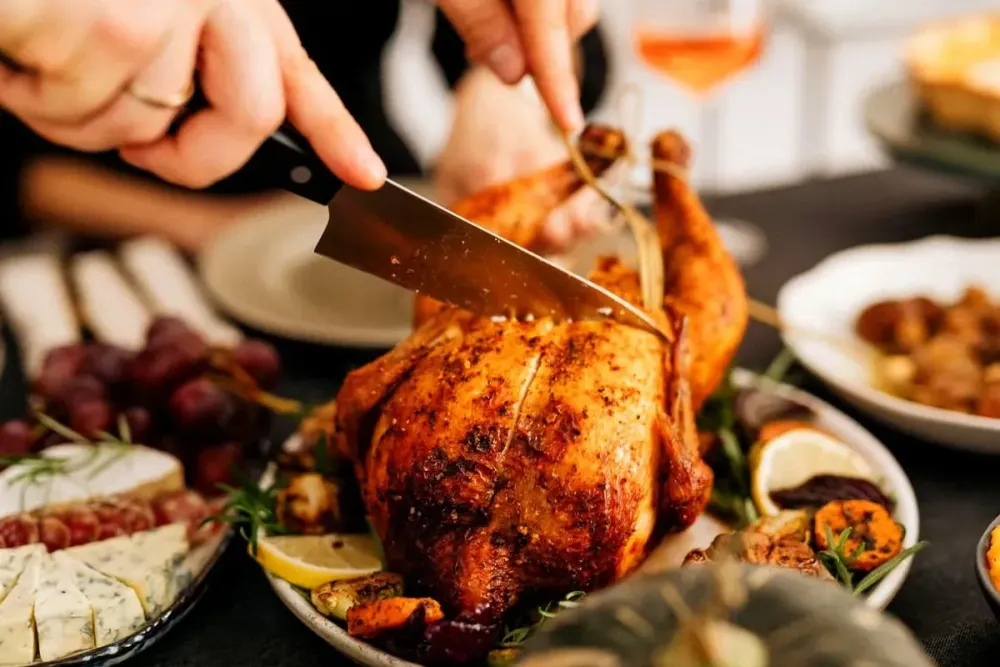
Lemon and tallow chicken is the weeknight roast that converts people who think seed oil free cooking is restrictive. The tallow crisps the skin at temperatures butter cannot sustain. The lemon brightens and cuts the richness. The result is a roast chicken that is better than 90% of what you find at restaurants — because the fat is real and the technique is simple.
The Lemon and Fat Combination
Lemon and fat are one of the fundamental flavour combinations in cooking. The acid in the lemon cuts the richness of the tallow and brightens the overall flavour profile of the dish. The fat in turn carries the lemon's aromatics — limonene and citral — deep into the meat. Stuff the cavity of the chicken with halved lemons alongside herbs, and the steam from the lemon during roasting permeates the meat from the inside.
Dry Brining
Dry brining — rubbing the chicken generously with salt 24 hours before cooking — is the single most impactful technique improvement available for roast chicken. The salt draws moisture from the skin via osmosis, then the dry air of the refrigerator evaporates that moisture, leaving the skin paper-dry and ready to crisp immediately in hot fat. The salt simultaneously seasons the meat throughout. Do this step if you do nothing else.
Serves 4 · Prep 15 min + dry brine · Cook 1 hour 15 min
Ingredients
- 1.8kg whole chicken
- 3 tbsp beef tallow, softened
- Zest and juice of 2 lemons
- 4 garlic cloves, 2 minced for paste + 2 whole for cavity
- Fresh thyme
- 1 tsp paprika
- Flaky sea salt and black pepper
Method
- Season chicken all over with salt, including inside the cavity. Refrigerate uncovered on a rack for 4-24 hours.
- Preheat oven to 220°C. Mix tallow with minced garlic, lemon zest, thyme, and paprika.
- Push tallow mixture under the breast skin and rub the remainder all over the outside.
- Stuff cavity with squeezed lemon halves, whole garlic cloves, and extra thyme.
- Truss or simply tie the legs together. Place in a roasting tin breast-side up.
- Roast 15 minutes at 220°C, then reduce to 190°C and roast a further 50-60 minutes.
- Rest for 15 minutes. Carve and serve with the pan juices.
Pan Sauce From the Drippings
Pour the pan drippings into a small saucepan. Skim excess fat. Add 200ml chicken stock and bring to a boil. Scrape up any bits from the roasting tin and add to the sauce. Simmer 5 minutes, add a squeeze of lemon, taste for seasoning. This pan sauce takes 6 minutes and is significantly better than any made from a stock cube.
Can I use a different citrus?
Orange produces a sweeter, milder result. Blood orange is excellent in winter. Lime produces a sharper, more intense citrus note that works well with added chilli flakes.
How do I check if the chicken is done?
The juices should run clear when you pierce the thigh with a knife. An instant-read thermometer in the thickest part of the thigh (not touching bone) should read 75°C.
Can I spatchcock it for faster cooking?
Yes — spatchcocked at these temperatures, a 1.8kg chicken will cook in 40-45 minutes. Skip the cavity stuffing and place lemon slices under the skin instead.
Follow Savannah: @theefoodiekitchen · Facebook · All Links
African, Hawaiian, Indian, Mediterranean, Asian, Exotic, Chicken, Rice, Cookies, Coffee, Spices, Plants, World Cuisine, 30-Minute Dinners and more.
View All 23 Books on Amazon →