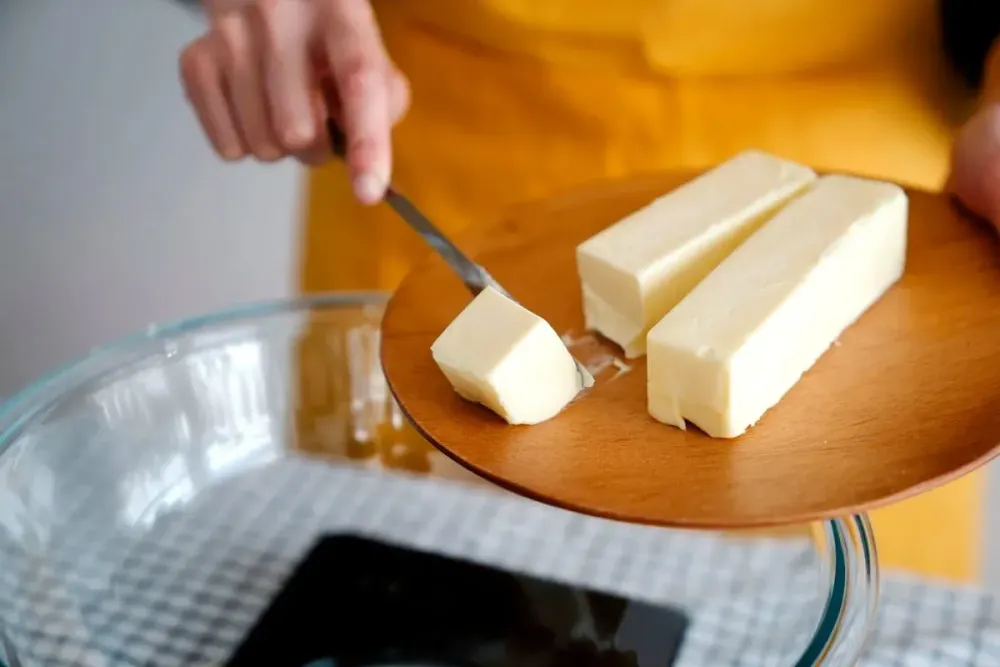
The Foodie Kitchen's MAHA recipes are built on one principle: every dish cooked in the fat it was originally built for. Butter, ghee, tallow, lard, coconut oil, and olive oil — the fats that were standard in every cuisine before industrial seed oils displaced them. No vegetable oil, no canola, no sunflower oil in any recipe on this site.
What Makes a Recipe MAHA
A MAHA recipe eliminates seed oils and replaces them with ancestral fats appropriate to the cuisine. Nigerian jollof rice is cooked in ghee, restoring it to the palm oil and clarified butter tradition it came from. French fries are cooked in beef tallow, as they were in every American fast food restaurant before 1990. Mexican tortillas are made with lard, as they have been for centuries. The change is not creative licence — it is historical restoration.
The MAHA Recipe Categories
- African Recipes — jollof rice, tagine, yassa, piri piri, thiéboudienne — in ghee, palm oil, and tallow
- MAHA Basics — butter coffee, deviled eggs, bone broth, seed oil swaps
- Chicken Recipes — every technique for crispy, flavourful chicken without seed oil
- Baking — cookies, muffins, banana bread — all butter, no shortening
- The Fat Guides — ghee vs butter, what is tallow, why seed oils are damaging
Start Here
If you are new to MAHA cooking, start with the three recipes that demonstrate the difference most clearly: Tallow Roast Potatoes, Brown Butter Cookies, and Smash Burgers in Tallow. Each one shows what ancestral fat does that seed oil cannot.
Follow Savannah: @theefoodiekitchen · Facebook · All Links
What Makes a Recipe MAHA
MAHA — Make America Healthy Again — is a dietary and public health framework built on one foundational idea: the seed oils that entered the American food supply beginning in the early 20th century are a primary driver of metabolic disease, inflammation, and chronic illness. The MAHA approach to cooking is not about counting calories, restricting food groups, or following macros. It is about replacing one category of fat — industrial seed oils extracted from canola, soybean, sunflower, safflower, cottonseed, corn, grapeseed, and rice bran — with the ancestral fats that human populations have used for thousands of years without the chronic disease burden that defines the modern American health landscape.
A MAHA recipe is any recipe that achieves its flavor and texture using only ancestral fats: beef tallow, lard, ghee, grass-fed butter, coconut oil, or extra virgin olive oil. It is the same meal your great-grandmother would have made, before the vegetable oil industry convinced her generation that animal fats were dangerous and Crisco was clean.
The Eight Seed Oils to Eliminate
The Hateful Eight — the term used across the MAHA community — are the seed oils that dominate the processed food supply and are present in virtually every restaurant meal in the United States. Eliminating these eight from your cooking is the core MAHA dietary change:
- Canola oil — extracted from rapeseed via chemical solvent and high heat, then deodorized to remove the rancid smell
- Soybean oil — the single largest source of omega-6 linoleic acid in the American diet
- Corn oil — originally an industrial byproduct; now a food staple
- Sunflower oil — high linoleic acid, highly unstable under heat
- Safflower oil — nearly pure linoleic acid, the most unstable cooking fat
- Cottonseed oil — from the cotton plant, originally used as lamp oil and lubricant
- Grapeseed oil — marketed as "natural," still 70%+ polyunsaturated and highly unstable
- Rice bran oil — used in "heart healthy" claims, still a seed oil with the same oxidation problem
How to Cook MAHA Without Changing What You Eat
The practical MAHA transition does not require eating differently — it requires cooking with different fats. Every cuisine in this collection is made MAHA by swapping seed oils for the fat that belongs in that dish by tradition. Chinese stir-fry was always lard. Indian dal was always ghee. Mexican tortillas were always lard. The recipes taste better because the fat is historically correct, not because anything has been added or removed from your diet. MAHA is not a restriction — it is a restoration.
African, Hawaiian, Indian, Mediterranean, Asian, Exotic, Chicken, Rice, Cookies, Coffee, Spices, Plants, World Cuisine, 30-Minute Dinners and more.
View All 23 Books on Amazon →