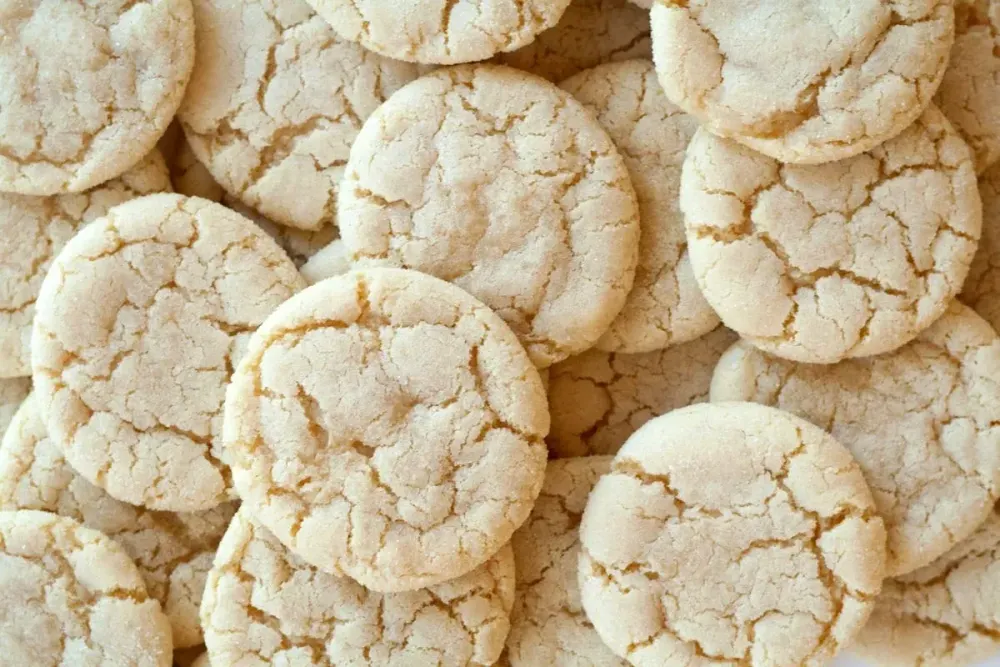
The global biscuit and cookie tradition was built on butter, lard, ghee, and coconut oil. Scottish shortbread has three ingredients: butter, flour, and sugar. Nigerian chin chin uses butter and eggs. Japanese matcha cookies use butter. Mexican polvorones use lard. Every traditional baking fat is an ancestral fat. Vegetable shortening is a 20th century industrial substitution.
Why Butter Makes Better Cookies
Butter's flavour comes from its milk solids and water content. When butter is creamed with sugar, the water creates steam in the oven that lifts the structure. The milk solids brown during baking, producing the Maillard reaction flavours that make a butter cookie taste like a butter cookie. Vegetable shortening produces a technically functional cookie that lacks all of this complexity.
30 Recipes From Global Baking Traditions
- Scottish shortbread — three ingredients, one technique, timeless result
- Brown butter chocolate chip cookies — the definitive upgrade on the standard
- Crinkle cookies — deep chocolate, all butter, powdered sugar finish
- Nigerian chin chin — fried dough snacks in coconut oil, sweet and crunchy
- Mexican polvorones — lard-based melt-in-the-mouth wedding cookies
- Japanese matcha butter cookies — buttery, delicate, intensely flavoured
- Greek kourabiedes — almond and butter cookies rolled in powdered sugar
- French sables — butter cookies at their most refined
- Moroccan chebbakia — honey and sesame pastry fried in coconut oil
- German Spritzgebäck — butter pressed through a cookie gun into shapes
- South African soetkoekies — spiced butter cookies from Cape Malay tradition
- Lebkuchen — German spiced cookies in butter with a history going back 600 years
See also Brown Butter Cookies, Shortbread in Butter and the Savor Cookies cookbook on the blog.
All Links · @theefoodiekitchen · Facebook
Inside Savor Cookies — 30 Global Baking Recipes
Commercial cookie production in the United States switched from butter and lard to partially hydrogenated vegetable shortening (Crisco and its equivalents) in the 1950s and 1960s. Home baking followed. Butter survived in home kitchens, but the industrial cookie — the packaged biscuit, the grocery store cookie, the school bake sale staple — became a seed oil product. Savor Cookies is a correction: 30 cookie and biscuit recipes from around the world, each made with the fat it was originally developed with.
The collection spans British shortbread (grass-fed butter, three ingredients), French sablés (salted Breton butter), German Lebkuchen (honey and butter spiced biscuits), Italian biscotti (extra virgin olive oil, the original recipe), Nigerian chin chin (pasture-raised lard for the traditional crispy fried dough), Moroccan gazelle horns (butter pastry with almond paste), Japanese butter cookies (the melt-in-the-mouth Danish-style biscuit), and American snickerdoodles (butter and lard combined for the traditional texture).
Each recipe includes the fat rationale — why that specific fat produces the cookie's characteristic texture. Lard makes shorter, crumblier pastry than butter because lard has no water content. Olive oil produces a crisper, more open-crumbed biscotti than butter because it inhibits gluten development differently. Butter in shortbread gives the melt-in-the-mouth texture because the fat coats the flour proteins before they can hydrate fully. Understanding these mechanisms means you can adapt and troubleshoot — not just follow instructions.
Seed Oil Free Baking — The Fat Substitution Guide
Every recipe in this book replaces the vegetable shortening or "neutral oil" called for in the modern version of the recipe with the fat that the original recipe used before industrialization. The substitution is not a compromise — in every case, the original fat produces a better result. Shortbread made with Kerrygold tastes like shortbread. Shortbread made with vegetable shortening tastes like a cookie-shaped product. The goal of this collection is to restore that distinction to home baking.
African, Hawaiian, Indian, Mediterranean, Asian, Exotic, Chicken, Rice, Cookies, Coffee, Spices, Plants, World Cuisine, 30-Minute Dinners and more.
View All 23 Books on Amazon →