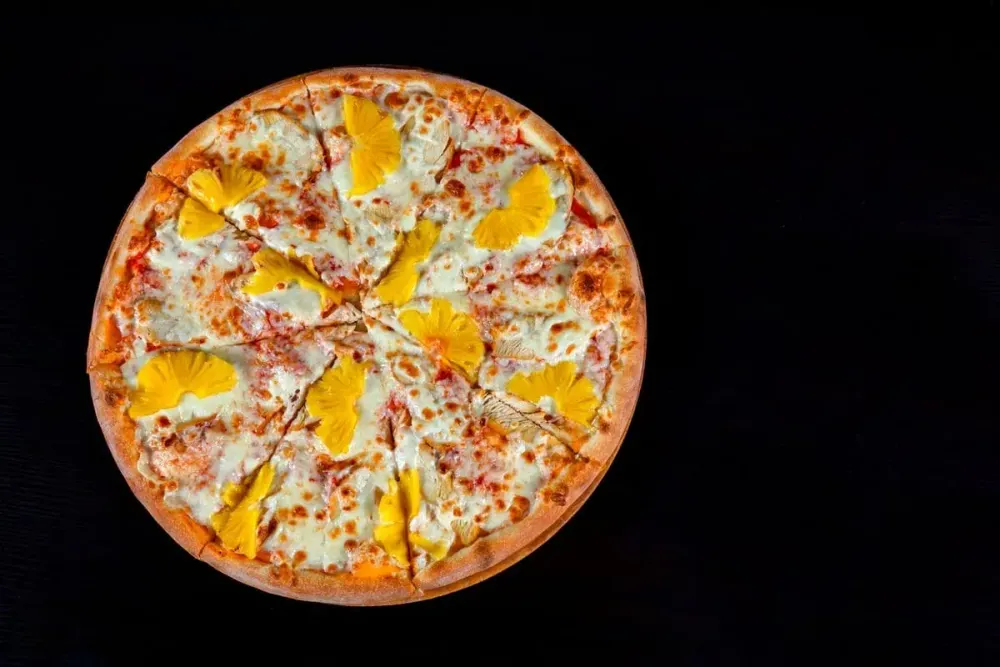
Savor Hawaiian covers the cooking of the Hawaiian Islands — a food culture built on taro, fish, pork, coconut, and the traditional fats of Polynesian and Pacific Island cooking. Laulau in tallow. Kalua pig cooked in its own rendered fat. Lomi lomi salmon. Hawaiian plate lunch culture translated to seed oil free. The book makes a strong case that Hawaiian food, at its most traditional, was never a seed oil cuisine.
What's Inside
Savor Hawaiian covers 20 Hawaiian recipes in tallow and coconut oil. Every recipe is built on butter, ghee, tallow, lard, coconut oil, or olive oil. No seed oils anywhere in the book.
Standout Recipes
- Kalua Pig — pork shoulder slow-roasted in tallow with ti leaves
- Hawaiian Meatballs in Tallow
- Lomi Lomi Salmon — the classic Hawaiian raw salmon salad
- Mahi Mahi Tacos — Pacific fish with coconut and taro
- Hawaiian Saimin — the noodle soup of the islands
- Haupia — Hawaiian coconut pudding in coconut cream
Who It's For
Anyone who loves Hawaiian food or Pacific Island cooking. Anyone interested in Polynesian food culture and ancestral fat traditions. Anyone on MAHA looking for a complete island-cuisine cookbook.
What fats are used in Savor Hawaiian?
Tallow, coconut oil, and butter — the traditional fats of Hawaiian and Pacific Island cooking.
Does it cover traditional Hawaiian dishes?
Yes — the book covers both traditional Hawaiian dishes (laulau, poi, lomi lomi) and modern Hawaii-inspired cooking.
Is Savor Hawaiian suitable for beginners?
Yes — the recipes are written with clear, accessible instructions for all skill levels.
Follow Savannah: @theefoodiekitchen · Facebook · All Links
Inside Savor Hawaiian — What the Book Covers
Hawaiian cuisine sits at a unique intersection of Polynesian ancestral cooking, Japanese plantation food culture, Korean and Filipino influences, and mainland American barbecue. Before industrial food arrived in the islands, Hawaiian cooking used coconut oil, animal fat, and the fat rendered from kaluaed pork cooked in an underground imu oven. The lau lau — pork and fish wrapped in taro leaves and steamed — used the natural fat from the pork as its cooking medium. The traditional Hawaiian diet, documented by Weston A. Price in his 1939 research, was built almost entirely on animal products and fruit fats.
Savor Hawaiian covers 20 recipes that restore these ancestral fats to Hawaiian home cooking. Kalua Pig is made in a slow oven with beef tallow basting. Garlic Shrimp — the plate lunch staple made famous by the North Shore food trucks — is cooked in grass-fed butter the way Giovanni's Shrimp Truck has always done it. Haupia (coconut pudding) uses full-fat coconut cream with no stabilizers or seed oil thickeners. Huli Huli Chicken is marinated in pineapple and ginger, then basted with tallow during grilling. Poi is made from taro with coconut cream. Lomi Lomi Salmon cures with Hawaiian sea salt and tomato.
Hawaiian Cooking and the MAHA Framework
Hawaii has among the highest rates of diabetes and metabolic disease of any US state, driven partly by the same processed food transition that affected the mainland — the displacement of traditional fats with vegetable oil in institutional cooking, school lunches, and processed food imports. Savor Hawaiian is a direct response to that transition: the same flavors, the same recipes, the ancestral fats restored. The book is not about health claims — it is about correct cooking. The food tastes better when the fat is right because the cuisine was developed with that fat.
African, Hawaiian, Indian, Mediterranean, Asian, Exotic, Chicken, Rice, Cookies, Coffee, Spices, Plants, World Cuisine, 30-Minute Dinners and more.
View All 23 Books on Amazon →