
As an Amazon Associate I earn from qualifying purchases. Affiliate disclosure.
Cottage cheese and Greek yogurt sit next to each other in the dairy case and both show up in seed-oil-free breakfasts, snacks and sauces. The useful question is not which is “better” in the abstract — it is what each 100 g of a plain product actually contains, so you can choose for texture, salt and protein when you cook.
Figures below come from USDA FoodData Central SR Legacy entries we fetched for this post. Brands vary; always read the tub in front of you.
Side-by-side (per 100 g, USDA)
| Per 100 g | Cottage cheese, creamed (FDC 172179) | Greek yogurt, plain, whole milk (FDC 171304) |
|---|---|---|
| Energy | 98 kcal | 97 kcal |
| Protein | 11.12 g | 9.0 g |
| Total fat | 4.3 g | 5.0 g |
| Saturated fat | 1.72 g | 2.40 g |
| Carbohydrate | 3.38 g | 3.98 g |
| Total sugars | 2.67 g | 4.0 g |
| Calcium | 83 mg | 100 mg |
| Sodium | 315 mg | 35 mg |
Energy is nearly identical on a per-100 g basis in these two entries. Protein edges toward cottage cheese; calcium edges toward whole-milk Greek yogurt; sodium is the clearest split — cottage cheese is a salted fresh cheese, Greek yogurt is not.
What each product is
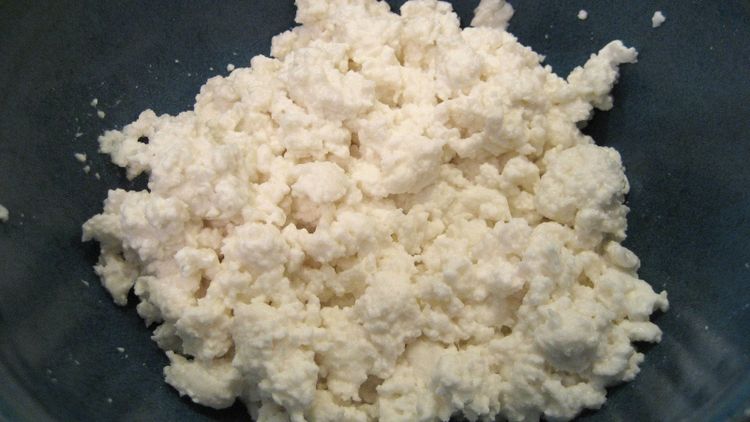
Cottage cheese is a fresh cheese: milk is cultured, the curds are cut and usually rinsed, then mixed with a cream dressing. The USDA entry used here is “Cheese, cottage, creamed, large or small curd” (FDC 172179). Texture is lumpy and scoopable; flavour is mild and salty.
Greek yogurt (strained yogurt) is yogurt with much of the whey removed, which concentrates protein and thickens the set. The entry here is “Yogurt, Greek, plain, whole milk” (FDC 171304). Texture is smooth and spoonable; flavour is tangy.
How we use them seed-oil-free
- Cottage cheese: breakfast bowls with fruit and nuts (plain nuts, not seed-oil roasted), savoury toast with herbs and olive oil, or blended smooth into a dip. Salt is already there — taste before adding more.
- Greek yogurt: marinades for chicken (with garlic, lemon and olive oil), dollops on roasted vegetables, or a cooling side with spices. Full-fat plain keeps the ingredient list short.
- Label watch: flavoured cups and “whips” sometimes include vegetable oils, thickeners or seed-oil-based inclusions. Plain tubs with milk and cultures (and cream for cottage dressing) are the safe default on this site.
For a wider dairy-and-fat pantry, see seed-oil-free grocery list and what oils are seed-oil-free. Breakfast ideas without seed oils live on seed-oil-free breakfast recipes.
Which to buy for which job
| If you want… | Reach for |
|---|---|
| Slightly more protein per 100 g (USDA entries above) | Creamed cottage cheese |
| Lower sodium | Plain Greek yogurt |
| Smooth marinade or sauce base | Greek yogurt |
| Curdy texture, toast toppings | Cottage cheese |
| A seed-oil-free tub | Either, when the label is plain dairy only |
Low-fat and non-fat Greek yogurts exist in FoodData Central with different protein and fat numbers; this comparison uses the whole-milk plain Greek entry so fat and protein sit next to a standard creamed cottage cheese. If your tub says 0% or 2%, treat the label — not this table — as the source of truth for that product.
This page compares published USDA composition data for cooking choices. It does not make weight-loss or disease claims. For personal dietary questions, speak with a qualified clinician.
Frequently asked questions
Which has more protein, cottage cheese or Greek yogurt?
In the USDA SR Legacy entries used here, creamed cottage cheese (FDC 172179) has about 11.1 g protein per 100 g and plain whole-milk Greek yogurt (FDC 171304) has about 9.0 g. Check your brand’s label.
Which is lower in sodium?
Plain whole-milk Greek yogurt in FDC 171304 has about 35 mg sodium per 100 g; creamed cottage cheese in FDC 172179 has about 315 mg.
Are cottage cheese and Greek yogurt seed-oil-free?
Plain versions are dairy. Flavoured or dressed products can include vegetable oils — read the ingredient list.
Do the calories differ much?
These two USDA entries are nearly the same on energy: about 98 kcal vs 97 kcal per 100 g.
Can I cook with both in a seed-oil-free kitchen?
Yes. Use Greek yogurt in marinades and sauces with olive oil or ghee, and cottage cheese in bowls and toast toppings. Avoid seed-oil mix-ins.
Sources
Part of: 10 Seed Oil Free Breakfast Recipes · Shop the pantry →
African, Hawaiian, Indian, Mediterranean, Asian, Exotic, Chicken, Rice, Cookies, Coffee, Spices, Plants, World Cuisine, 30-Minute Dinners and more.
View All Books on Amazon →