
As an Amazon Associate I earn from qualifying purchases. Affiliate disclosure.
Awareness of beef tallow is high; buying it is still rare. In Wave 13 of the University of Illinois Gardner Food and Agricultural Policy Survey (GFAPS), 73% of respondents were aware of beef tallow, but only 10% had bought it in the previous 12 months. Separately, Innova Market Insights data reported to Food Dive found that among people replacing seed oils, 46% chose olive oil and 10% chose tallow. So if this is your first jar, you are early — and you do not need a chef's kitchen to start.
This guide covers sourcing (buy versus render, how to read a grass-fed label), storage, the best first dishes and a simple swap table. It does not make health claims. For every tallow recipe on the site by technique, use the beef tallow recipes hub.
What you are buying
Beef tallow is rendered beef fat. Raw fat from around the kidneys and loins is called suet; once you melt it gently, strain it and let it set, you have tallow — a firm, white or cream-coloured fat that melts clear in the pan. USDA FoodData Central lists it as "Fat, beef tallow" (FDC 171400). Nebraska Extension puts its culinary smoke point at about 400 °F (204 °C), which is why it suits high-heat work that would brown butter too fast.
If you want the longer background — history, dripping versus suet, chemistry — read what is tallow. For day-one cooking, the jar and the pan are enough.
How to source it: buy first, render later
Buying a jar
For a first cook, buy ready-rendered tallow. Look for:
- Ingredients: ideally just "beef tallow" or "beef fat". Skip jars that list vegetable oil, canola or "natural flavours" you cannot place.
- Grass-fed / grass-finished: wording varies by brand. "Grass-fed and finished" usually means grass for the whole life of the animal; "grass-fed" alone can still include a grain finish. Choose what matches your budget and priorities; both can cook well.
- Colour and smell: good tallow is white to pale cream and smells mild and clean, not sharply "barnyard". If a jar smells off when you open it, do not cook with it — see our note on barnyard-smelling tallow.
Brand comparisons live on our best beef tallow brands page. Fatworks grass-fed and South Chicago Packing Wagyu are the two jars we link most often from the kitchen shop list.
Rendering your own
Rendering is cheap if you have a butcher who will sell suet or trimming, and it gives you a big batch. It is not the best first step: you need time, a heavy pot and a fine strain. When you are ready, our how to render tallow guide covers wet and dry methods. Many cooks buy the first jar, learn the pan, then render a batch for frying.
| Buy a jar | Render your own | |
|---|---|---|
| Best for | First cooks, weeknight searing, small roasting jobs | Deep frying, big batches, butchers' fat you already have |
| Time | Open and scoop | A few hours of gentle heat, plus straining and cooling |
| Control | Depends on the brand's cattle and process | You choose the fat and how far you cook it |
| Cost pattern | Higher per ounce, low hassle | Lower per ounce if suet is cheap locally |
How to store tallow
Nebraska Extension's culinary fat comparison notes that tallow can remain stable for months at room temperature and for over a year when refrigerated or frozen. Practical rules we follow in the kitchen:
- Keep it in a clean, airtight jar or tub, away from direct light.
- Room temperature is fine for an unopened or carefully handled jar in a cool cupboard; the fridge is the safer default once you cook from it often.
- It will be solid when cool. Scoop with a spoon, or melt a portion in a small pan.
- Fat you have already used for frying is different: strain it, store it sealed and refrigerated, and throw it out if it turns cloudy, foams, or smells or tastes off. USDA FSIS covers reuse and discard signs in its deep-fat frying guidance; our strain and reuse and deep fry in tallow pages walk through the steps.
Best first dishes
Pick one of these three. Each needs a skillet or a roasting tin, not a dedicated fryer.
- Smash burgers. Heat a cast-iron pan until a drop of water skitters, add a thin film of tallow, smash ball-shaped portions of minced beef hard onto the metal, and cook to a brown crust. Full method: smash burgers in tallow.
- Roast potatoes. Parboil floury potatoes, rough up the edges, and roast in a tin with melted tallow until the outsides shatter. Full method: tallow roast potatoes.
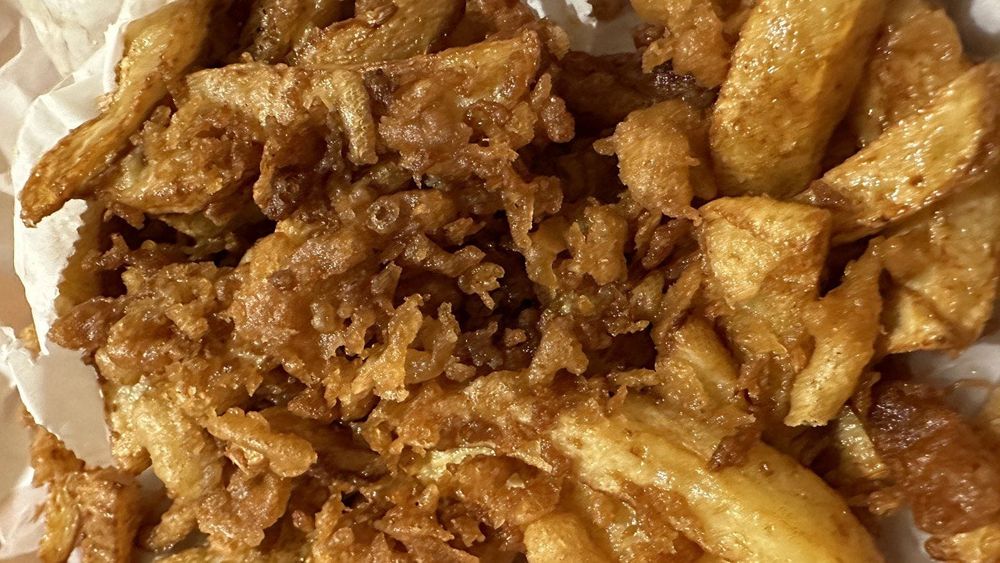
- Shallow-fried potatoes or fries. Once you are happy with pan heat, try a deeper layer of tallow for restaurant-style fries. Use a thermometer and keep the pot no more than half full.
After those, the beef tallow recipes hub groups every technique on the site — searing, roasting, braising, frying — so you can pick the next cook by method rather than by cuisine.
How to swap tallow in for seed oils
Melt the tallow first so you can measure it as a liquid. Then use this as a starting map:
| If the recipe calls for… | Swap to tallow? | Notes |
|---|---|---|
| Vegetable / canola / sunflower oil for frying or searing | Yes, 1:1 by volume once melted | Watch the pan; tallow's smoke point is about 400 °F (Nebraska Extension) |
| Oil for roasting vegetables or potatoes | Yes, 1:1 | Heat the tin with the tallow before the food goes in |
| Oil for a salad dressing or mayonnaise | No | Tallow sets firm when cool; use olive oil or our seed-oil-free mayo |
| Soft baking fat (cakes, cookies) | Usually no | Butter or lard behave more like the fat the recipe was written for |
| Pie crust shortening | Prefer lard or butter | See our flaky lard pie crust |
| Cast-iron seasoning oil | Yes | Season cast iron with tallow |
For a full fat-by-fat substitute list, use vegetable oil substitute and cooking fat smoke points.
Common first-timer mistakes
- Too little heat. Tallow should shimmer before food goes in. Pale, greasy results usually mean the pan was cool.
- Scooping rock-hard fat into a cold pan. Melt a spoonful first, or give the pan a minute with a lump of tallow before the food.
- Deep frying without headroom. Fill the pot only one-third to one-half full, as extension lab manuals advise, so it cannot boil over.
- Expecting a neutral oil taste. Good tallow tastes mildly beefy. That suits burgers, potatoes, chicken and fries; for a more neutral animal fat, try lard.
When you want temperatures by dish, cast-iron seasoning and a longer dish list, continue with cooking with beef tallow. Everything on this site that uses the fat is collected at the beef tallow hub.
Frequently asked questions
What is beef tallow, in one sentence?
Beef tallow is rendered beef fat — suet or trimming melted gently until the pure fat separates from water and connective tissue, then strained and cooled into a solid white or cream-coloured cooking fat.
Should I buy tallow or render my own the first time?
Buy a jar for your first cook. Rendering is straightforward (see our how-to-render guide) but takes a few hours and a source of raw beef fat. A jar lets you learn the pan feel first.
What does "grass-fed" on a tallow label mean?
It usually means the cattle ate grass for some or all of their lives. Prefer jars that say grass-fed and finished when that matters to you, and check the ingredients list is only beef fat (or beef tallow) with no seed oils mixed in.
How do I store tallow once the jar is open?
Nebraska Extension notes that tallow can stay stable for months at room temperature and for over a year when refrigerated or frozen. Keep it in a clean, airtight jar away from light. For fat you have already used for frying, USDA FSIS advises straining and refrigerating, and discarding it if it smells off, foams or turns cloudy.
What should I cook first with tallow?
Start with smash burgers, roast potatoes or shallow-fried potatoes. All three show how tallow behaves at high heat without needing a deep fryer.
Can I swap tallow one-for-one with vegetable oil?
For frying, roasting and searing, yes by volume once the tallow is melted. For baking that needs a soft, creamy fat, butter or lard is usually the better swap; see the table in this guide.
Sources
- University of Illinois farmdoc daily / GFAPS, Fats in the MAHA Era: Consumer Perceptions of Common Cooking Fats (9 Apr 2026)
- Food Dive, Beef tallow takeover? Big food companies begin to embrace MAHA ingredient (22 Jun 2026), citing Innova Market Insights
- Curry & Yates, The Big Fat Comparison: Tallow, Butter, & Seed Oils as Culinary Options, Nebraska Extension G2369 (Apr 2026)
- USDA Food Safety and Inspection Service, Deep Fat Frying and Food Safety
- USDA FoodData Central: Fat, beef tallow (FDC 171400)
Part of: How to Cook with Beef Tallow: Every Tallow Recipe by Technique · Shop the pantry →
African, Hawaiian, Indian, Mediterranean, Asian, Exotic, Chicken, Rice, Cookies, Coffee, Spices, Plants, World Cuisine, 30-Minute Dinners and more.
View All Books on Amazon →