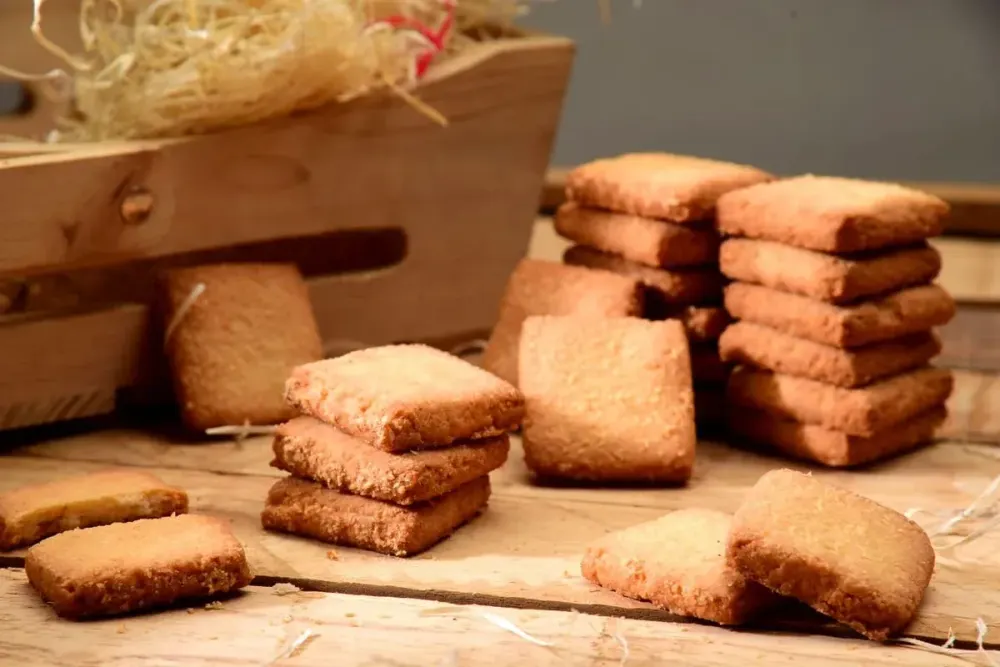
Butter is not a seed oil. Butter is made from churned dairy cream — the fat from cow's milk. Seed oils are extracted from plant seeds using industrial processing. Butter has been a staple cooking fat in European, Indian, African, and Middle Eastern cuisines for thousands of years. It is one of the most important ancestral fats in MAHA cooking.
Why Butter Is Not a Seed Oil
The definition of a seed oil is specific: an oil extracted from the seed of a plant using industrial processing. Butter is an animal fat — it comes from the cream that rises to the top of cow's milk. Churning that cream separates the fat (butter) from the liquid (buttermilk). No chemical extraction, no industrial solvents, no deodorisation. The fat profile of butter is primarily saturated fat and monounsaturated fat, with a small amount of polyunsaturated fat. Grass-fed butter also contains fat-soluble vitamins A, D, E, and K2.
| Property | Butter | Canola Oil (seed oil) |
|---|---|---|
| Source | Cow's milk cream (animal fat) | Rapeseed (plant seed) |
| Extraction | Churning — mechanical only | Heat + hexane solvent |
| Primary fat | Saturated + monounsaturated | Linoleic acid (polyunsaturated) |
| Smoke point | 302°F / 150°C | 400°F / 204°C |
| Fat-soluble vitamins | A, D, E, K2 (grass-fed) | None |
| Ancestral use | Yes — 10,000+ years globally | No — 20th century industrial |
| Seed oil? | No | Yes |
Butter vs Margarine — the Important Distinction
Butter is seed oil free. Margarine is not. Margarine is made from partially hydrogenated seed oils — typically soybean, canola, or sunflower — and was marketed as a healthier alternative to butter from the 1950s onwards. That marketing was wrong. Margarine contains trans fats (in older formulations) and omega-6 linoleic acid from seed oils. Butter contains natural saturated fat and fat-soluble vitamins. Always use butter, never margarine.
How to Use Butter in Seed Oil Free Cooking
Butter works for baking, sauces, low to medium-heat sautéing, and finishing dishes. Its 302°F smoke point means it burns at high heat — use ghee (485°F) for high-heat cooking instead. Ghee is clarified butter with the milk solids removed, which raises the smoke point dramatically and removes the lactose and casein that cause butter to brown and burn. For most everyday cooking, butter and ghee cover every situation where you might otherwise use vegetable oil.
Frequently Asked Questions
Is butter a seed oil?
No. Butter is an animal fat made from churned dairy cream. Seed oils are plant-based oils extracted from seeds. Butter is completely seed oil free.
Is butter MAHA approved?
Yes. Butter is one of the most important fats in MAHA cooking. The 2026 US Dietary Guidelines specifically recommend butter as a preferred cooking fat over industrial seed oils.
Can I substitute butter for vegetable oil?
Yes. Use ¾ cup of melted butter for every 1 cup of vegetable oil in baking. For cooking, substitute 1:1. Butter produces a richer flavour than vegetable oil in almost every application.
Is ghee the same as butter?
Ghee is clarified butter — butter with the water and milk solids removed. Ghee has a higher smoke point (485°F vs 302°F), longer shelf life, no lactose or casein, and a richer, nuttier flavour. Both are seed oil free.
What butter should I buy for seed oil free cooking?
Grass-fed butter — Kerrygold, Anchor, or Organic Valley — is the best choice. Grass-fed butter has a higher fat content and more fat-soluble vitamins than standard butter.
Related guides: Ghee vs Butter · Vegetable Oil Substitute Guide · Seed Oil Free Baking Guide · Brown Butter Cookies
Also on The Foodie Kitchen: Is Avocado Oil a Seed Oil?
Research: Weston A. Price Foundation on traditional fats · Harvard School of Public Health on dietary fats
📌 Follow on Pinterest: Ancestral Cooking Fats on Pinterest
Follow Savannah: @theefoodiekitchen · All Links
African, Hawaiian, Indian, Mediterranean, Asian, Exotic, Chicken, Rice, Cookies, Coffee, Spices, Plants, World Cuisine, 30-Minute Dinners and more.
View All 23 Books on Amazon →