Coconut oil is not a seed oil. It is pressed from the flesh of the coconut — the white meat inside the shell — not from a seed. Seed oils are extracted from seeds: soybeans, sunflower seeds, canola (rapeseed), corn, and safflower. Coconut oil is a tropical fruit oil and is fully compatible with seed oil free eating and the MAHA diet.
Why Coconut Oil Is Not a Seed Oil
Coconut oil is made by pressing the dried or fresh flesh of the coconut (called copra when dried). The process is mechanical — no chemical solvents, no industrial deodorisation required for virgin coconut oil. The fat profile is primarily saturated fat (around 90%), predominantly medium-chain triglycerides including lauric acid. This saturated fat structure makes coconut oil highly stable at cooking temperatures — it does not oxidise the way polyunsaturated seed oils do when heated.
| Property | Coconut Oil | Sunflower Oil (seed oil) |
|---|---|---|
| Source | Coconut flesh (fruit) | Sunflower seeds |
| Extraction | Cold-press / expeller | Heat + solvent extraction |
| Primary fat | Saturated (lauric acid ~49%) | Linoleic acid (polyunsaturated) |
| Smoke point | 350°F / 177°C (unrefined) | 440°F / 227°C |
| Stability at heat | High — saturated fat | Low — oxidises when heated |
| Ancestral use | Yes — Southeast Asia, Pacific | No — 20th century industrial |
| Seed oil? | No | Yes |
Refined vs Unrefined Coconut Oil
Virgin (unrefined) coconut oil has a distinct coconut flavour and a lower smoke point of 350°F. Use it for baking, Thai cooking, Hawaiian dishes, and anything where a coconut flavour is welcome. Refined coconut oil has been deodorised mechanically (without chemical solvents in quality brands) and has a neutral flavour with a higher smoke point of 400°F. Use refined for stir fry and any dish where you do not want coconut flavour. Both are seed oil free.
Which Cuisines Use Coconut Oil as an Ancestral Fat?
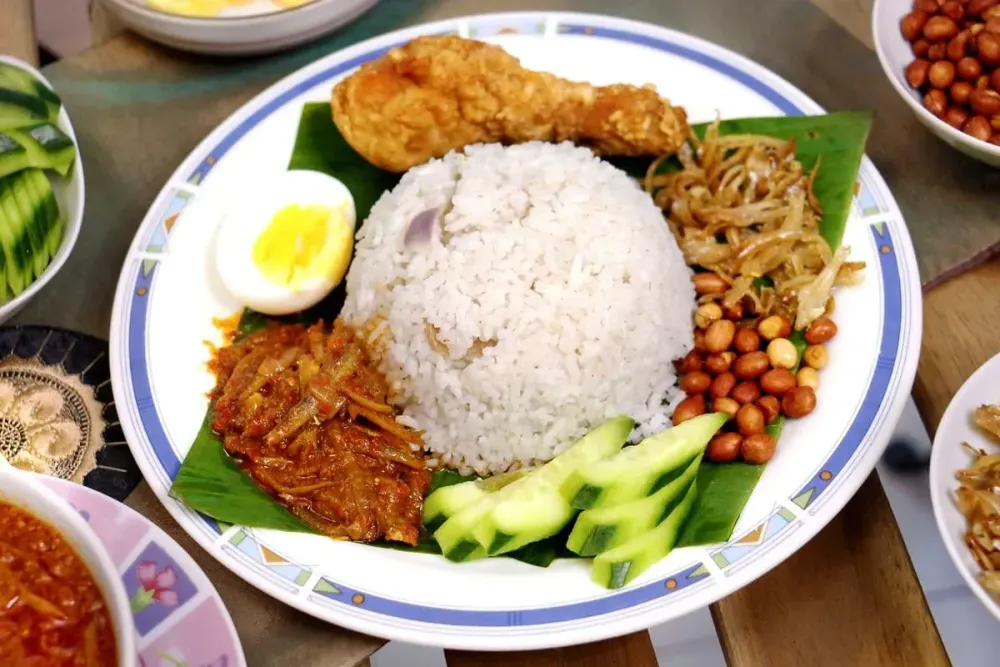
Coconut oil is the original cooking fat of Southeast Asian, South Asian coastal, Pacific Island, and West African cuisines. Malaysian nasi lemak, Thai curry, Sri Lankan dhal, Hawaiian dishes, and West African stews were all built on coconut fat before industrial seed oils replaced it. The Foodie Kitchen covers all of these cuisines using coconut oil as the correct ancestral fat.
Frequently Asked Questions
Is coconut oil seed oil free?
Yes. Coconut oil is pressed from coconut flesh, not a seed. It is completely seed oil free.
Is coconut oil good for cooking?
Yes for most cooking methods. Virgin coconut oil has a 350°F smoke point — good for baking, sautéing, and medium-heat cooking. Refined coconut oil reaches 400°F and works for stir fry and roasting.
Can I use coconut oil instead of vegetable oil?
Yes at a 1:1 ratio. Coconut oil is solid at room temperature — melt it before using in recipes that call for liquid vegetable oil.
Does coconut oil taste like coconut?
Virgin coconut oil has a mild to moderate coconut flavour. Refined (deodorised) coconut oil has a completely neutral flavour. For cooking where you do not want coconut flavour, use refined.
Is palm oil a seed oil?
No. Palm oil is pressed from the fruit of the oil palm — specifically the flesh surrounding the seed. Red palm oil is the unrefined version and contains beta-carotene. It is the ancestral cooking fat of West Africa.
Related guides: What Are Seed Oils? · Nasi Lemak in Coconut Oil · Thai Red Curry · Vegetable Oil Substitute Guide
Also on The Foodie Kitchen: Is Avocado Oil a Seed Oil? · Is Olive Oil a Seed Oil? · What Oils Are Seed Oil Free?
Research: NIH: coconut oil and medium-chain triglycerides
📌 Follow on Pinterest: Asian Seed Oil Free Recipes on Pinterest
Follow Savannah: @theefoodiekitchen · All Links
African, Hawaiian, Indian, Mediterranean, Asian, Exotic, Chicken, Rice, Cookies, Coffee, Spices, Plants, World Cuisine, 30-Minute Dinners and more.
View All 23 Books on Amazon →