
As an Amazon Associate I earn from qualifying purchases. Affiliate disclosure.
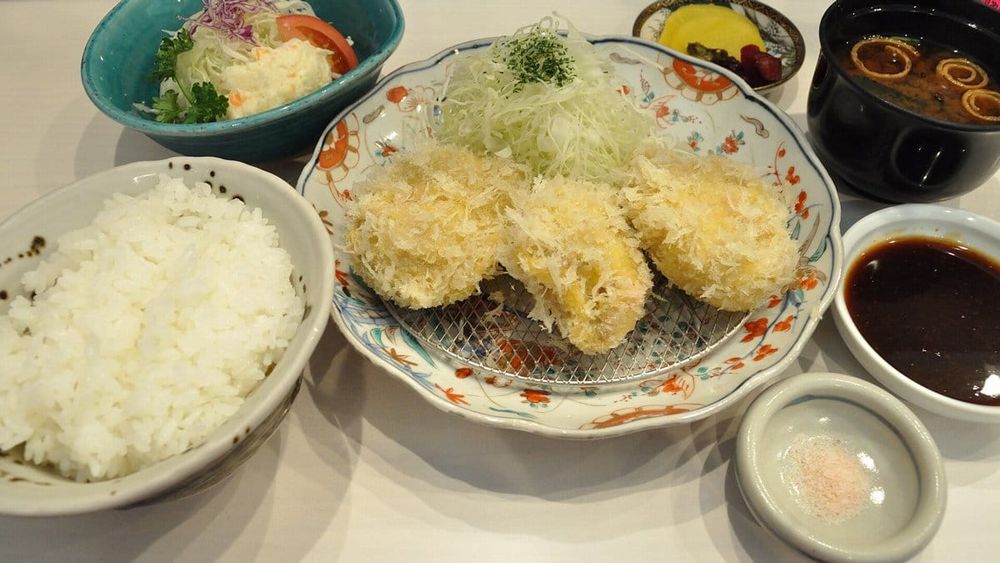
Tonkatsu is Japan's great comfort food: a thick pork cutlet in a jacket of panko, fried until it crackles, then sliced and served with a mountain of shredded cabbage, rice and a sweet, tangy brown sauce. It is simple, but the details matter, and the biggest detail is the fat. We fry ours in lard, the way it was meant to be done. No vegetable oil anywhere.
Why lard?
Frying pork in pork fat just makes sense. Lard gives panko a lighter, drier, more shattering crunch than a neutral oil, and it adds a gentle savoury richness without any off flavours. It sits comfortably at frying temperature too, as our cooking fat smoke points guide explains. Wondering how it compares with beef fat? Our lard vs tallow breakdown covers it.
Serves: 2 · Prep: 20 minutes · Cook: 15 minutes
Ingredients
- 2 boneless pork loin chops, about 2cm thick (200–250g each)
- Salt and freshly ground black pepper
- 40g plain flour
- 1 large egg, beaten with 1 tsp water
- 60g panko breadcrumbs
- About 750g lard, for frying (enough for 2cm depth in your pan)
- For the quick tonkatsu sauce: 3 tbsp Worcestershire sauce
- 2 tbsp tomato ketchup
- 1 tbsp oyster sauce
- 1 tsp sugar
- To serve: ¼ white or pointed cabbage, very finely shredded; steamed short-grain rice; lemon wedges; Japanese or English mustard
Method
- Stir the sauce ingredients together until the sugar dissolves, then set aside. Shred the cabbage as finely as you can and keep it in a bowl of iced water until you serve, so it stays crisp.
- Pat the pork dry. Make 4 or 5 small cuts through the strip of fat and connective tissue along the edge of each chop so it does not curl in the pan. Season both sides well with salt and pepper.
- Set out three shallow dishes: flour, beaten egg and panko. Dust each chop in flour and shake off the excess, dip it in the egg, then press it firmly into the panko on both sides. Rest the crumbed chops on a rack for 5 minutes while the fat heats, which helps the coating stick.
- Melt the lard in a heavy, deep frying pan or cast iron pan to a depth of about 2cm and heat it to 170 °C (340 °F). Use a thermometer; if the fat is too hot, the crumb burns before the pork is cooked.
- Lower in one chop at a time, laying it away from you. Fry for 3 minutes, turn carefully and fry for another 2–3 minutes until deep golden. The pork is done when the thickest part reads 63 °C (145 °F).
- Lift the cutlets onto a wire rack (not kitchen paper, which steams the underside) and rest for 3 minutes. Bring the fat back to 170 °C before frying the second chop.
- Slice each cutlet into 2cm strips with a sharp knife, pressing straight down so the crumb stays on. Serve with the drained cabbage, rice, the sauce, mustard and lemon.
Tips
- A thermometer is the difference between golden and burnt. An instant-read probe such as the Alpha Grillers instant-read thermometer checks both the fat and the pork. FoodSafety.gov lists 145 °F (63 °C) with a 3-minute rest for whole cuts of pork, and the ThermoWorks blog is excellent on managing frying temperatures.
- No lard rendered at home? A jar of Fatworks pasture-raised leaf lard works beautifully; you will need two jars for 2cm depth in a 24cm pan. Fatworks also explains how they render it.
- Fry in a heavy pan such as a Lodge 10.25-inch cast iron skillet, which holds its heat when the cold cutlet goes in.
- Leftover cutlet makes brilliant katsu sandos, or slice it over Japanese fried rice.
FAQ
Why fry tonkatsu in lard?
Lard is pork fat, so it seasons the cutlet with its own flavour instead of masking it, and it gives panko a remarkably light, dry, shattering crunch. Plenty of old-school tonkatsu shops still fry this way for exactly that reason. It also handles frying temperature comfortably, as our smoke points guide explains.
Which cut of pork is best for tonkatsu?
Loin (rosu katsu) is the classic, with a thin rim of fat that keeps it juicy. Tenderloin (hire katsu) is leaner and very tender; cut it into 3cm medallions, flatten slightly and fry for a minute or two less.
Can I reuse the lard?
Yes. Let it cool, strain it through a fine sieve or muslin into a clean jar and keep it in the fridge. Use it for frying savoury things; discard it once it smells stale or turns dark.
How do I stop the breadcrumbs falling off?
Dry the meat well, shake off excess flour, press the panko on firmly and let the crumbed chops rest for 5 minutes before frying. Turn them only once.
Can I make tonkatsu in an air fryer?
You can, though the crumb will be less even. Toss the panko in a tablespoon of melted lard or ghee before coating, then air fry at 200 °C for about 12 minutes, turning halfway, until the pork reaches 63 °C (145 °F).
Is shop-bought tonkatsu sauce seed oil free?
Many bottled Japanese sauces contain no oil, but labels vary, so check. The quick homemade sauce above uses pantry staples; check your Worcestershire and oyster sauce labels too, since some brands add vegetable oil.
More ideas: gyoza fried in lard · lard-seared pork chops with apple cider · lard fried rice · how to deep fry in beef tallow. If you like cooking this way, Savannah's seed-oil-free cookbooks are full of dishes built on the same traditional fats.
African, Hawaiian, Indian, Mediterranean, Asian, Exotic, Chicken, Rice, Cookies, Coffee, Spices, Plants, World Cuisine, 30-Minute Dinners and more.
View All Books on Amazon →