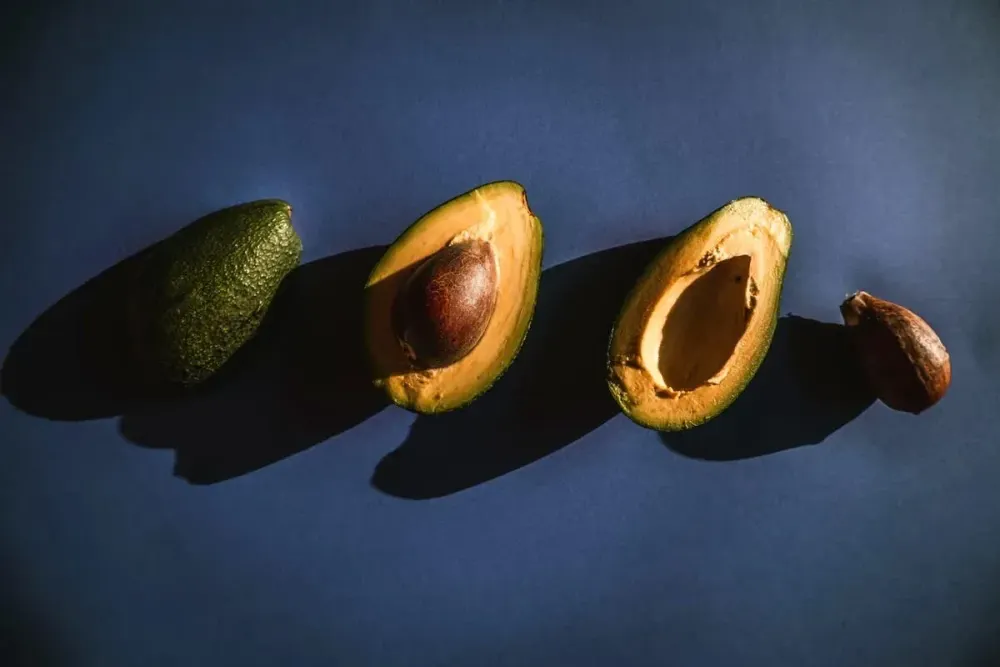
Growing an avocado tree from a pit is a common houseplant project. Growing one that actually produces fruit is a different undertaking entirely — requiring specific climate, correct variety selection, cross-pollination, and patience measured in years. This guide covers both: the easy indoor germination project and the serious backyard orchard undertaking for those in suitable climates.
Growing From Seed vs Grafted Tree
Avocado trees grown from seed (the pit) take 7-15 years to produce fruit, may not produce fruit true to the parent variety, and are often less disease-resistant than cultivated varieties. A grafted avocado tree — where a known variety is grafted onto rootstock — produces fruit in 3-4 years and reliably grows the variety chosen. For anyone serious about fruit production, a grafted tree is the only practical option.
Climate Requirements
Avocados require a frost-free climate with warm summers and mild winters. USDA hardiness zones 9-11 (or UK hardiness zones H3 and above in sheltered microclimates) support outdoor growing. The tree itself survives brief frosts to -2°C, but flowers and developing fruit are damaged by temperatures below 0°C. In cooler climates, avocados can be grown in large containers and overwintered under glass.
Varieties for Home Growing
- Hass — the commercial standard, excellent flavour, cold-tolerant to -2°C
- Fuerte — flavourful, produces earlier in the season, slightly less cold-tolerant
- Bacon — hardier than Hass, bears in winter, lighter flavour
- Zutano — very hardy, can be used as a pollinator for other varieties
- Dwarf varieties (Wurtz/Little Cado) — suitable for large containers, max 3-4m
Pollination
Avocados have Type A and Type B flowering varieties. Type A flowers open female in the morning and male in the afternoon. Type B open male in the morning and female in the afternoon. For reliable pollination, plant one Type A and one Type B in proximity. Hass is Type A; Fuerte and Bacon are Type B. A single tree will produce some fruit through self-pollination, but cross-pollination dramatically increases yield.
The Pit Germination Project (Indoor)
Ingredients
- Fresh avocado pit
- 3 toothpicks
- Glass of water
- Warm, bright windowsill
Method
- Wash the pit and remove any fruit flesh.
- Insert 3 toothpicks around the middle of the pit at an angle.
- Suspend over a glass of water, with the bottom third submerged.
- Place on a warm, bright windowsill out of direct sun.
- Change water every few days. Roots should appear in 2-6 weeks, a stem in 6-8 weeks.
- When the stem is 15cm tall, pot into well-draining compost in a small pot.
- Pinch the growing tip when 30cm tall to encourage bushing.
Avocado and MAHA
Avocados are compatible with MAHA eating as a source of monounsaturated fat, but avocado oil requires scrutiny. Many commercial avocado oils are adulterated with cheaper seed oils or are refined from low-quality fruit. Research published in 2020 found that over 80% of commercial avocado oils tested were oxidised before their expiry date. Whole avocados are the most reliable MAHA-compatible form.
How long does a pit-grown avocado take to fruit?
Typically 7-15 years, and the fruit quality is unpredictable. A grafted named variety from a nursery is far preferable for anyone wanting actual avocados.
Can I grow avocado indoors year-round?
An avocado grown from a pit makes an attractive houseplant, but fruiting requires the tree to reach maturity (several years), full sun, and specific temperature cues. Indoor avocados rarely fruit.
What soil does avocado need?
Well-draining, slightly acidic soil (pH 6-6.5). Avocados are extremely sensitive to waterlogging — root rot is the most common cause of death in container-grown trees. Always use a free-draining mix and never let the pot sit in water.
📌 Follow on Pinterest: Grow Your Own Food on Pinterest
Follow Savannah: @theefoodiekitchen · Facebook · All Links
African, Hawaiian, Indian, Mediterranean, Asian, Exotic, Chicken, Rice, Cookies, Coffee, Spices, Plants, World Cuisine, 30-Minute Dinners and more.
View All 23 Books on Amazon →