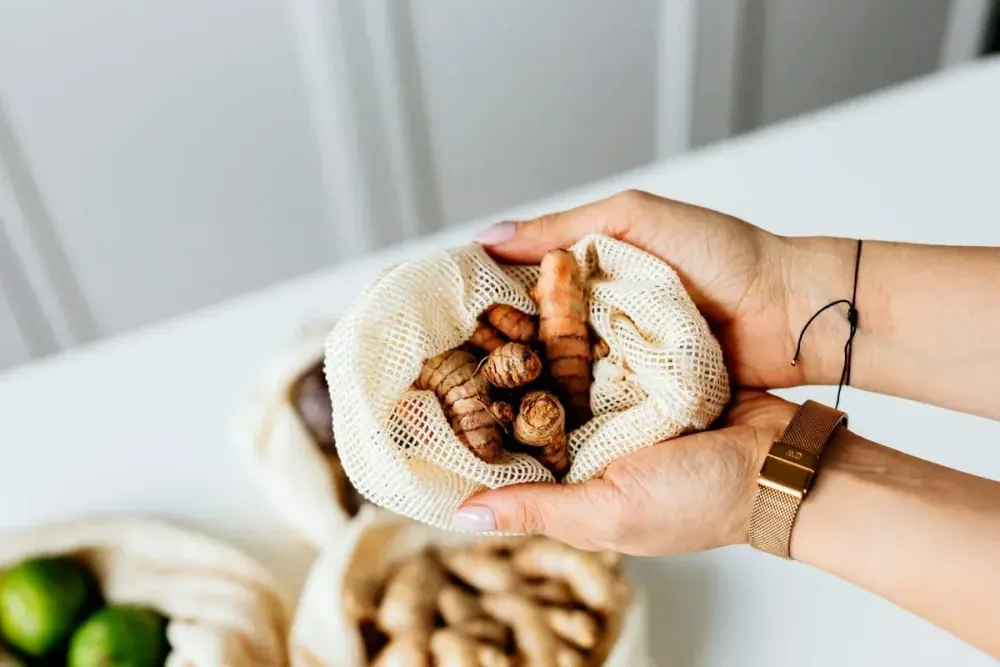
How to Grow Ginger and Turmeric is Savannah Ryan's step-by-step guide to growing ginger and turmeric at home — Planting rhizomes in spring, pot and outdoor growing, watering, harvesting in autumn, and storing fresh rhizomes. The book covers the complete growing cycle from seed or rhizome to harvest.
What the How to Grow Ginger and Turmeric Guide Covers
The guide walks through every stage of growing ginger and turmeric at home: variety selection for your climate, soil preparation and potting mixes, planting technique, watering and feeding schedules, common problems and how to fix them, harvesting at the right stage, and storage to maximise shelf life.
Why Grow Your Own Ginger and turmeric
Homegrown ginger and turmeric is harvested at peak ripeness and nutritional density. Supermarket ginger and turmeric is often harvested early and stored for weeks before reaching the consumer. For MAHA cooking, where the quality of ingredients matters as much as the quality of fat, homegrown ginger and turmeric is a meaningful upgrade.
About the MAHA Kitchen Garden Series
The MAHA Kitchen Garden series covers 9 essential plants for the seed oil free kitchen — garlic, microgreens, ginger and turmeric, mushrooms, lettuce, potatoes, sweet potatoes, avocado, and strawberries. Each guide focuses on practical growing advice for home gardeners without requiring specialist equipment or experience.
Is this guide suitable for beginners?
Yes — the guide assumes no prior growing experience and covers every step in detail.
What format is available?
Available as Kindle ebook and paperback on Amazon.
Does this cover both indoor and outdoor growing?
Yes — the guide covers growing ginger and turmeric both indoors (in pots and containers) and outdoors (in beds and gardens).
Follow Savannah: @theefoodiekitchen · Facebook · All Links
Inside Grow Ginger and Turmeric — The Anti-Inflammatory Roots
Ginger and turmeric are tropical perennials that grow readily in containers, making them accessible to gardeners in any climate. The Grow Ginger and Turmeric guide covers container cultivation for both roots from initial rhizome selection through harvest and storage. Both plants require similar conditions: warm temperatures (65-85°F), indirect or filtered light, consistently moist but well-draining soil, and patience — ginger takes 8-10 months to mature, turmeric 8-9 months. The guide covers starting from grocery store rhizomes (the fastest and cheapest approach) vs sourcing organic seed rhizomes for higher germination rates.
The guide covers indoor growing for cold climates: both plants can be grown year-round on a sunny windowsill or under grow lights, treated as houseplants through winter and moved outdoors when temperatures permit. Harvest protocol is covered for both full harvest (pulling the entire rhizome mass at season end) and progressive harvest (breaking off individual pieces as needed while leaving the plant to continue growing). Curing, storage, and processing methods — fresh use, dried and powdered, frozen — are covered in detail.
Ginger and Turmeric in the MAHA Kitchen
Both roots are used in conjunction with fat in their traditional culinary applications — not because fat is decorative, but because ginger and turmeric's bioactive compounds (gingerols, curcuminoids) are fat-soluble. Turmeric consumed without fat is largely unavailable for absorption. The traditional preparation across Ayurvedic and South Asian cooking combines turmeric with ghee or coconut oil specifically to activate the curcumin. Black pepper (piperine) further increases bioavailability. Golden milk made with ghee and black pepper is not a wellness trend — it is a 3,000-year-old preparation that encodes this chemistry. Growing your own ginger and turmeric means access to fresh roots with significantly higher gingerol and curcumin content than the dried commercial product.
African, Hawaiian, Indian, Mediterranean, Asian, Exotic, Chicken, Rice, Cookies, Coffee, Spices, Plants, World Cuisine, 30-Minute Dinners and more.
View All 23 Books on Amazon →