As an Amazon Associate I earn from qualifying purchases. Affiliate disclosure.
The question of which cooking oil is healthiest is genuinely contested in nutrition science, and the mainstream answer has changed repeatedly over the past 60 years. In the 1950s, saturated fats were identified as cardiovascular risk factors. In the 1970s and 1980s, polyunsaturated seed oils were marketed as heart-healthy alternatives. Since the 2000s, some re-analyses of older trials have questioned that position and the role of omega-6 linoleic acid is debated, though the American Heart Association still recommends replacing saturated fat with polyunsaturated fat.
The MAHA and ancestral health answer is grounded in a different framework: instead of asking which modern oil is least bad, it asks what humans cooked with before industrial seed oils were introduced in the 20th century. That list is short — animal fats (tallow, lard, butter, ghee), coconut oil, olive oil, red palm oil — and it corresponds closely to what the current evidence supports.
The Evidence — Ranked by Available Research
| Tier | Fat | Best Use | Key Advantage |
|---|---|---|---|
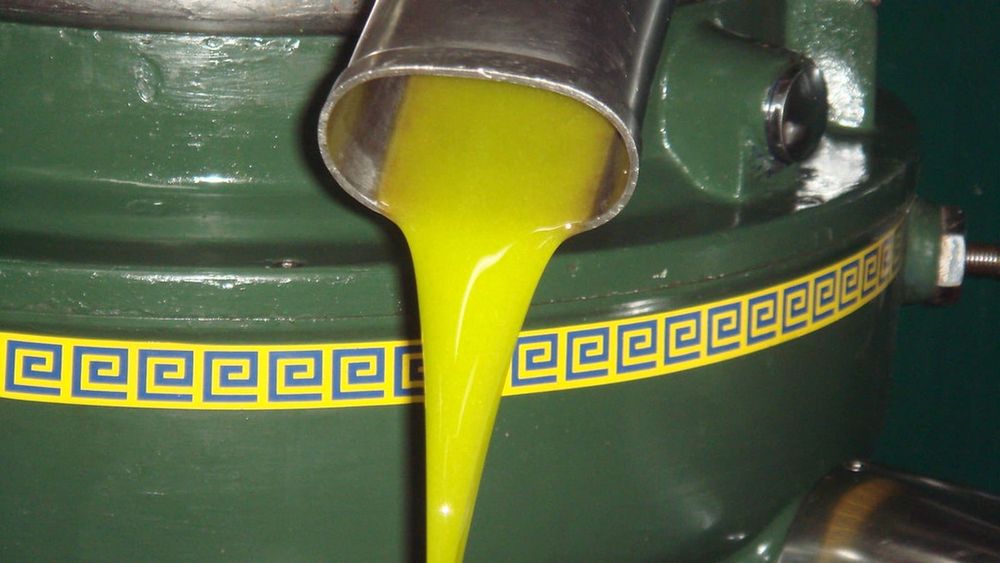
| 1 | Extra virgin olive oil | Dressings, drizzling, low-medium heat | 8,000 years of use, high in oleic acid, strong polyphenol research |
| 1 | Beef tallow | Frying, searing, roasting | Very stable at high heat, no omega-6, grass-fed has CLA |
| 1 | Ghee (clarified butter) | High-heat cooking, Indian cuisine | 485°F smoke point, no dairy solids, Ayurvedic history |
| 2 | Grass-fed butter | Baking, sauces, finishing | CLA content, short-chain fatty acids, flavour |
| 2 | Coconut oil (refined) | Asian stir-fries, high heat | MCT content, very stable saturated fat |
| 2 | Pasture-raised lard | Baking, frying, pastry | Stable at heat, excellent baking fat, vitamin D |
| 3 | Canola oil | — | Widely available |
| 3 | Soybean / vegetable oil | — | Cheap |
| 3 | Sunflower / corn oil | — | High smoke point (but chemically unstable) |
Tier 1: Strong evidence for health. Tier 2: Good evidence. Tier 3: Avoid — industrial seed oils.
The Linoleic Acid Problem
The main evidence-based argument against industrial seed oils is their high content of omega-6 linoleic acid. The Tier 3 oils above are between 54% and 75% linoleic acid. Tier 1 and 2 oils are between 2% and 12% linoleic acid. Linoleic acid accumulates in human body fat over years, and its concentration in American adipose tissue rose by about 136% over the last half century, tracking increased intake of seed oils such as soybean oil.
Whether that accumulation drives health problems is still debated at the margin of nutritional epidemiology. But the basic logic of the ancestral health position is sound: humans did not consume meaningful quantities of omega-6 linoleic acid from cooking oils before 1900. The shift since then is one of the biggest changes in the modern diet, and it happened alongside rising rates of obesity and metabolic disease, though that timing alone does not prove cause.
Is coconut oil healthy despite being saturated fat?
How saturated fat from whole foods affects heart disease risk is still debated: a 2020 review in the Journal of the American College of Cardiology argued for judging foods rather than saturated fat alone, while the American Heart Association still advises replacing saturated fat with unsaturated fat. Coconut oil's saturated fat is primarily medium-chain triglycerides (MCTs), which are metabolised differently from the long-chain saturated fats in red meat. Most current research treats coconut oil as neutral to beneficial in the context of a real-food diet.
Is avocado oil healthy?
Avocado oil is one of the better options in the refined oil category — it comes from the avocado fruit (not a seed), is about 70% oleic acid (same as olive oil), and has a high smoke point. Cold-pressed avocado oil is a reasonable choice for high-heat cooking where you want a neutral flavour.
What about flaxseed oil?
Flaxseed oil is very high in omega-3 ALA (alpha-linolenic acid), not omega-6. It is generally considered beneficial in small quantities as a supplement. However, it is extremely unstable at heat — it should never be cooked with, only used cold in dressings or added to food after cooking.
Follow Savannah: @theefoodiekitchen · All Links
Sources
Part of: Traditional Cooking Fats Guide — Tallow, Ghee, Lard, Butter
African, Hawaiian, Indian, Mediterranean, Asian, Exotic, Chicken, Rice, Cookies, Coffee, Spices, Plants, World Cuisine, 30-Minute Dinners and more.
View All Books on Amazon →