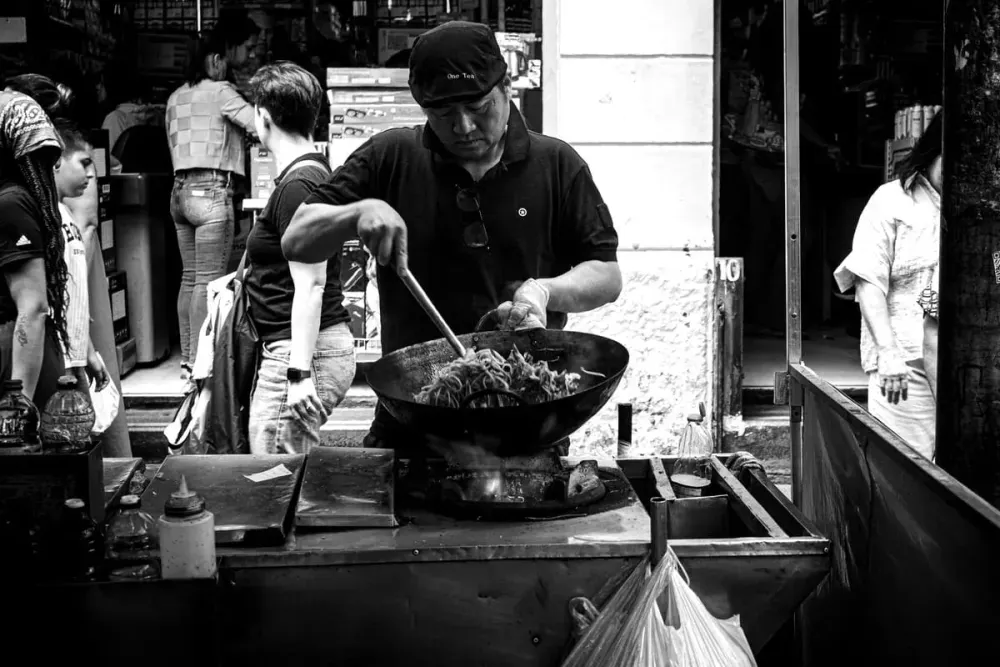
Savor Asia covers the great cooking traditions of the Asian continent — Chinese, Indian, Thai, Japanese, Korean, and Southeast Asian — all in the fats those traditions were originally built on before industrial seed oils replaced them. Lard for wok cooking. Ghee for Indian tadka and curries. Coconut cream for Thai and Southeast Asian dishes. The book makes the case, recipe by recipe, that ancestral fat cooking and Asian cuisine are the same thing.
What's Inside
Savor Asia covers 20 Asian recipes in lard, ghee and coconut oil. Every recipe is built on butter, ghee, tallow, lard, coconut oil, or olive oil. No seed oils anywhere in the book.
Standout Recipes
- Chinese Fried Rice in Lard — the original wok technique
- Delhi Butter Chicken — murgh makhani in ghee and butter
- Indian Dal Tadka — yellow lentils with a ghee tadka
- Thai Green Curry — coconut cream cracked in the wok
- Korean Beef Bowl in Tallow — bulgogi-inspired weeknight
- Lomo Saltado in Lard — the Chinese-Peruvian fusion classic
Who It's For
Anyone who loves Asian food and wants to cook it in its original fats. Anyone doing MAHA who wants variety beyond Western recipes. Anyone who suspects that the vegetable oil substitution in restaurant Asian cooking has changed the flavours they love.
Does Savor Asia include Indian recipes?
Yes — Indian cooking is prominent throughout, with multiple ghee-based recipes including dal tadka, butter chicken, and spiced rice dishes.
Are Japanese recipes included?
Yes — the book includes Japanese-inspired recipes alongside Chinese, Thai, Korean, and Southeast Asian dishes.
What fats are used?
Lard, ghee, coconut oil, and butter — the ancestral cooking fats of Asian cuisine.
Follow Savannah: @theefoodiekitchen · Facebook · All Links
What Is Inside Savor Asian
30 recipes from across Asian culinary traditions — Chinese wok cooking in lard, Japanese teppanyaki in butter, Thai curries cracked in coconut cream, Korean BBQ in beef tallow, Vietnamese pho in tallow-rendered broth, Filipino adobo in coconut oil, Indonesian rendang in coconut cream.
Includes a wok technique section explaining why lard produces wok hei and canola cannot, a rice section covering five Asian rice preparations, and an expanded Korean section covering galbi, bulgogi, and banchan side dishes.
Who This Book Is For
For anyone who cooks Asian food regularly and accepts that restaurant-quality results require the same fats the restaurants actually use.
Does it cover all Asian cuisines?
Chinese, Japanese, Thai, Korean, Filipino, Vietnamese, Indonesian, Malay — eight cuisines across 30 recipes.
What fat is used most?
Lard for Chinese and Filipino, coconut cream for Thai/Indonesian/Malay, butter for Japanese, tallow for Korean BBQ.
Savor Asian is available in Kindle and paperback on Amazon. The primary equipment requirement is a carbon steel wok or cast iron skillet for the Chinese and Korean recipes — the high-heat cooking that produces genuine wok hei is not achievable in a nonstick pan. For the Thai and Indonesian recipes, a standard heavy-bottomed saucepan handles everything. The book lists the equipment requirements explicitly in each recipe introduction so there are no surprises mid-cook. All fats specified in the book are available on Amazon or at Asian grocery stores in any major US city.
African, Hawaiian, Indian, Mediterranean, Asian, Exotic, Chicken, Rice, Cookies, Coffee, Spices, Plants, World Cuisine, 30-Minute Dinners and more.
View All 23 Books on Amazon →