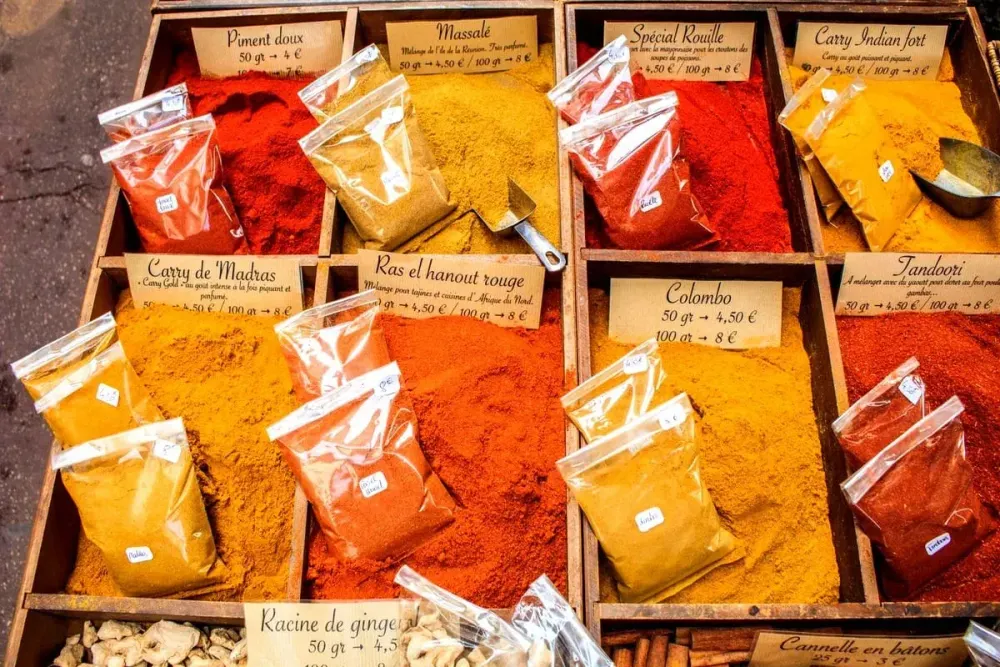
Ras el hanout means 'head of the shop' — the spice merchant's finest blend, assembled from the best available spices. The composition varies by merchant, city, and season, but the standard blend includes cardamom, cumin, coriander, ginger, turmeric, cinnamon, allspice, rose petals, nutmeg, mace, black pepper, and often 15-25 more spices. It is the most complex spice blend in North African cooking and the one that gives Moroccan lamb tagine, bastilla, and kefta their distinctive aromatic character.
What Makes Ras el Hanout Different
The rose petals. Every other spice blend in global cooking uses seeds, barks, roots, and dried fruits. Ras el hanout includes dried rose petals, which contribute a subtle floral note that bridges the aromatic spices and the meat. At cooking temperatures, rose petals release their aromatic compounds into the fat (olive oil or butter) and then into the dish. This is why Moroccan food has a floral depth that no other North African cuisine quite matches.
How to Use Ras el Hanout
- In the fat first — bloom 2 tbsp in 3 tbsp olive oil for 90 seconds before adding any other ingredient
- As a rub — combine with olive oil and coat lamb shoulder or chicken overnight
- In the braising liquid — add to tagine or Dutch oven braise
- As a finishing spice — light dusting on couscous or finished dishes
- In kefta meatballs — 1 tsp per 500g minced lamb
Making Your Own
A simplified ras el hanout: 2 tsp cumin, 2 tsp coriander, 1 tsp cardamom, 1 tsp cinnamon, 1 tsp turmeric, 1/2 tsp ginger powder, 1/2 tsp allspice, 1/4 tsp nutmeg, 1/4 tsp black pepper, 1/4 tsp dried rose petals (optional but recommended). Toast whole spices lightly before grinding. The dried rose petals are available at Middle Eastern grocery stores and make a noticeable difference.
How much ras el hanout per recipe?
2-3 tablespoons for a 4-person tagine. 1 tablespoon as a rub per kilogram of meat.
What is the difference between ras el hanout and baharat?
Baharat is the Gulf and Levantine spice blend — built on allspice, black pepper, and cinnamon, typically without rose petals. The character is warmer and less complex than ras el hanout.
Can I use ras el hanout in non-Moroccan cooking?
It is excellent in roast lamb, couscous salads, spiced chickpeas, and anywhere a warm, complex spice note is wanted.
📌 Follow on Pinterest: Global Spice Guides on Pinterest
Follow Savannah: @theefoodiekitchen · Facebook · All Links
How to Cook With Ras el Hanout
Bloom ras el hanout in olive oil or butter for 60-90 seconds before adding aromatics or liquid. The complex fat-soluble compounds in dried rose petals, cinnamon bark, and cardamom pods need fat to fully release. Cold addition to liquid produces a flat version of the blend's potential.
- Moroccan tagines: 1-2 tablespoons per batch, bloomed in olive oil before adding onion and aromatics
- Spiced couscous: toss 0.5 tablespoon into the butter used to steam couscous — the spices bloom in the butter during steaming
Storage
Keeps 6-12 months in a sealed jar away from light. The rose petal component fades fastest. If your blend loses its floral note, replace it.
Substitutions
Simplified version: 1 tsp each cumin, coriander, ginger, cinnamon, paprika; 0.5 tsp each turmeric, black pepper, cardamom, allspice; pinch each cloves and cayenne.
African, Hawaiian, Indian, Mediterranean, Asian, Exotic, Chicken, Rice, Cookies, Coffee, Spices, Plants, World Cuisine, 30-Minute Dinners and more.
View All 23 Books on Amazon →