
As an Amazon Associate I earn from qualifying purchases. Affiliate disclosure.
The two words get used as if they meant the same thing, especially on product labels. They don't. One is a raw cut and the other is a finished cooking fat. This short guide sets out the difference using USDA definitions and nutrient data, and it builds on our tallow vs ghee comparison. Sources are at the end.
What suet and tallow are
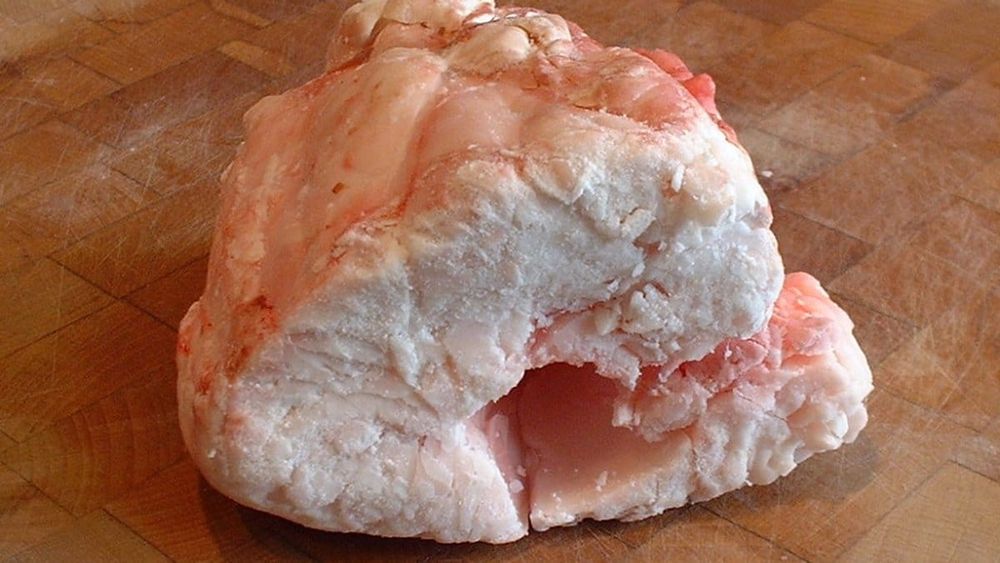
Suet is defined by the USDA National Agricultural Library as "the hard white fat from around the kidneys and loins of animals that is used in cooking and for making tallow".[1] It comes from the butcher as a raw cut, often with membrane and small bits of meat attached.
Tallow is rendered fat. Britannica describes tallow as consisting of suet (or similar fats) and explains that it is extracted by rendering: the fatty tissue is cut into small pieces and cooked, and the fat is collected.[2] Nebraska Extension describes the same process: heating separates the fat from the protein and water components.[5] Our step-by-step method is in how to render tallow.
Suet vs tallow side by side
| Per 100 g | Suet, raw | Beef tallow (rendered) |
|---|---|---|
| What it is | Raw kidney and loin fat | Rendered, strained beef fat |
| Total fat | 94 g | 100 g |
| Water | 4.0 g | 0 g listed |
| Protein | 1.5 g | 0 g listed |
| Saturated fat | 52.3 g | 49.8 g |
| Monounsaturated fat | 31.5 g | 41.8 g |
| Polyunsaturated fat | 3.2 g | 4.0 g |
| Linoleic acid (18:2) | 2.2 g | 3.1 g |
| Cholesterol | 68 mg | 109 mg |
| Smoke point | No figure in our sources (render it first) | 400 °F (Nebraska Extension); about 230 °C for commercial tallow (ISEO) |
| Storage | Like raw meat: chill, use within days, or freeze | Airtight, cool and dark; keeps far longer |
Nutrients: USDA FoodData Central SR Legacy, "Beef, variety meats and by-products, suet, raw" (FDC 170193) and "Fat, beef tallow" (FDC 171400).[3][4] Smoke points: Nebraska Extension G2369 and the Institute of Shortening and Edible Oils.[5][6]
How rendering changes the numbers
Raw suet is already mostly fat, at 94 g per 100 g; USDA also lists 4.0 g of water and 1.5 g of protein.[3] Rendering drives off that water and leaves the tissue behind, so the finished tallow is listed at 100 g of fat.[4] The USDA fatty-acid figures for the two entries also differ (suet 52.3 g saturated and 31.5 g monounsaturated; tallow 49.8 g and 41.8 g), but they are separate samples, and fat from different parts of the animal varies, so don't read the gap as something rendering does.
What both share is a low linoleic acid content: 2.2 g per 100 g for raw suet and 3.1 g for tallow, against about 51 g for soybean oil.[3][4][7]
This page contains affiliate links. As an Amazon Associate I earn from qualifying purchases. Affiliate disclosure.

If you don't want to render suet yourself, this is ready-rendered grass-fed tallow in three 14 oz jars. Use it for frying, searing and roasting.
Check price on AmazonWhen to use suet and when to use tallow
Use suet for
- Rendering your own tallow: suet is the fat most often rendered into tallow. See how to render tallow and the equipment you need.
- Traditional British puddings, pastry and dumplings, where grated suet melts during steaming or baking.
Use tallow for
- Frying: Nebraska Extension lists frying, roasting and high-heat use as tallow's best uses.[5] Try tallow french fries.
- Roasting and searing: tallow roast potatoes and smash burgers.
- Anywhere a recipe says "beef dripping", the British name for fat collected from roasting beef.
Buying and storing
Ask a butcher for beef kidney suet if you want to render your own. Keep it chilled and render or freeze it within a few days, the way you would with raw meat. Shop-bought "shredded suet" products are a different thing from fresh suet, so read the ingredient list before you buy: you want beef fat and nothing blended in. For ready-made tallow, our brand comparisons are in best tallow brands. If your tallow smells strong, see why beef tallow can smell barnyard.
Frequently asked questions
Is suet the same as tallow?
No. Suet is the raw, hard fat from around the kidneys and loins. Tallow is the fat you get after rendering suet (or other beef fat): heating it so the fat separates from water and tissue, then straining it.
Can I use suet instead of tallow for frying?
Not as it is. Raw suet still contains water, protein and connective tissue. Render and strain it first, and the result is tallow, which you can fry in.
How long does suet keep?
Treat raw suet like raw meat: keep it refrigerated and use it within a few days, or freeze it. Rendered, strained tallow keeps much longer when stored airtight, cool and dark.
Is suet or tallow healthier?
We don't make health claims. Per USDA, raw suet is about 94% fat and tallow is 100% fat; both are low in linoleic acid compared with seed oils.
What is suet used for?
Mostly for rendering into tallow, and as an ingredient in traditional British puddings, pastry and dumplings, where it melts during cooking.
Sources
- USDA National Agricultural Library Thesaurus: suet
- Encyclopaedia Britannica: tallow
- USDA FoodData Central: Beef, variety meats and by-products, suet, raw (FDC 170193)
- USDA FoodData Central: Fat, beef tallow (FDC 171400)
- Curry & Yates, The Big Fat Comparison: Tallow, Butter, & Seed Oils as Culinary Options, Nebraska Extension G2369, April 2026
- Institute of Shortening and Edible Oils: smoke, flash and fire points of commercial fats and oils
- USDA FoodData Central: Oil, soybean, salad or cooking (FDC 171411)
Part of: Traditional Cooking Fats Guide — Tallow, Ghee, Lard, Butter · Tallow vs Ghee · Shop the pantry →
African, Hawaiian, Indian, Mediterranean, Asian, Exotic, Chicken, Rice, Cookies, Coffee, Spices, Plants, World Cuisine, 30-Minute Dinners and more.
View All Books on Amazon →