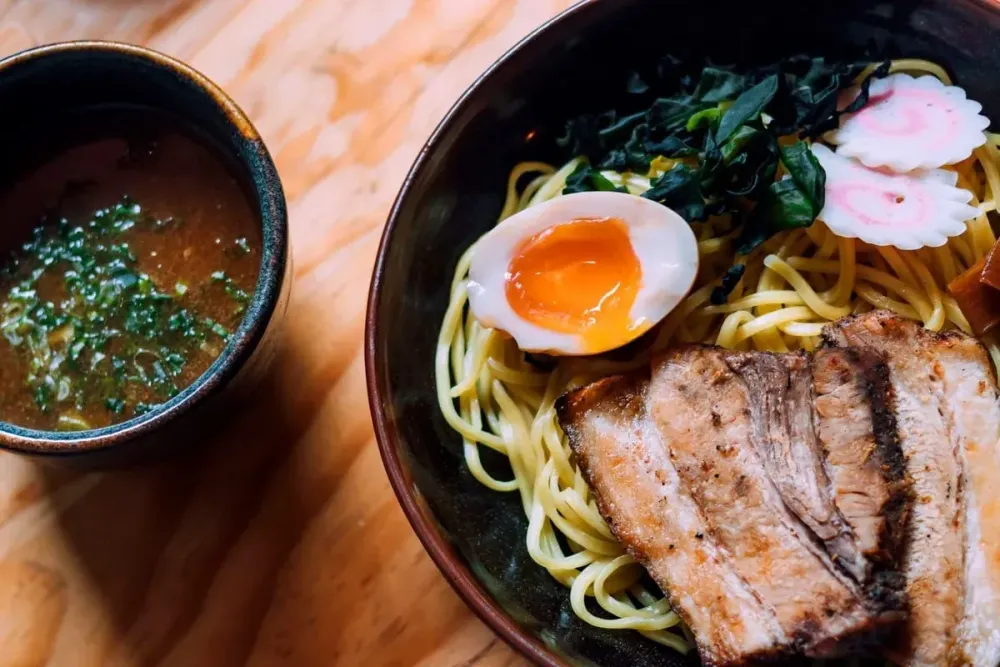
Miso butter is one of the great Japanese flavour combinations — the fermented soybean paste's deep, earthy umami amplified by butter's dairy richness into a sauce of extraordinary depth. Tossed with noodles, garlic, and spring onion, it produces a dish that takes 15 minutes from start to finish and tastes like significantly more effort was involved. It is the Japanese equivalent of cacio e pepe — a minimal-ingredient pasta that demonstrates how quality fat transforms simple food.
White vs Red Miso
White miso (shiro miso) is fermented for a shorter period and has a sweeter, milder, less salty flavour than red miso (aka miso). For miso butter noodles, white miso is preferred — it integrates more smoothly into the butter and does not overpower the dish. Red miso can be used for a more intensely flavoured, saltier result. Both are fermented foods with probiotic content, though heat reduces this benefit.
The Miso Butter
Making miso butter requires nothing more than combining softened butter with white miso paste and mixing thoroughly. The ratio is approximately 2:1 butter to miso by weight. The result is a compound butter that can be refrigerated for a month and used to finish vegetables, steak, noodles, rice, and anything else that benefits from umami enrichment. Make extra.
Serves 2 · Prep 5 min · Cook 12 min
Ingredients
- 200g ramen noodles, udon, or spaghetti
- 60g unsalted butter, softened
- 2 tbsp white miso paste
- 2 garlic cloves, minced
- 1 tbsp soy sauce
- 1 tbsp mirin or dry sherry
- Spring onions, sesame seeds, soft-boiled egg (optional, to serve)
- Reserved pasta water
Method
- Cook noodles according to package instructions. Reserve 100ml cooking water.
- Mix softened butter and white miso into a smooth paste.
- In a pan over medium heat, cook garlic in a small amount of butter 30 seconds.
- Add soy sauce and mirin. Stir.
- Add drained noodles and miso butter. Toss vigorously.
- Add pasta water splash by splash until the sauce is glossy and coating the noodles.
- Serve with spring onions, sesame seeds, and a soft-boiled egg if desired.
The Soft-Boiled Egg
A soft-boiled egg (ramen egg) takes miso butter noodles from snack to meal. Boil eggs 6 minutes 30 seconds exactly, transfer to ice water, peel, and marinate in soy sauce and mirin for 30 minutes. The whites are fully set, the yolk is jammy and bright orange. Cut in half and place on top of the noodles — the yolk mixes with the miso butter sauce as you eat.
Can I add protein to miso butter noodles?
Yes — leftover chicken, prawns, tofu, or sliced beef all work. Add at the sauce stage and toss to coat.
What if I don't have mirin?
Dry sherry, sake, or a pinch of sugar in the soy sauce are reasonable substitutes.
Is miso seed oil free?
Check the label — most traditional miso is made from soybeans, salt, and koji culture only. Some commercial brands add oils or preservatives. Pure miso (shiro miso) is typically seed oil free.
Follow Savannah: @theefoodiekitchen · Facebook · All Links
African, Hawaiian, Indian, Mediterranean, Asian, Exotic, Chicken, Rice, Cookies, Coffee, Spices, Plants, World Cuisine, 30-Minute Dinners and more.
View All 23 Books on Amazon →